
Sequential Digester Biogas Mixing
Efficient, Reliable, and Energy-Saving Mixing for High-Performance Anaerobic Digesters
.svg)
Overview
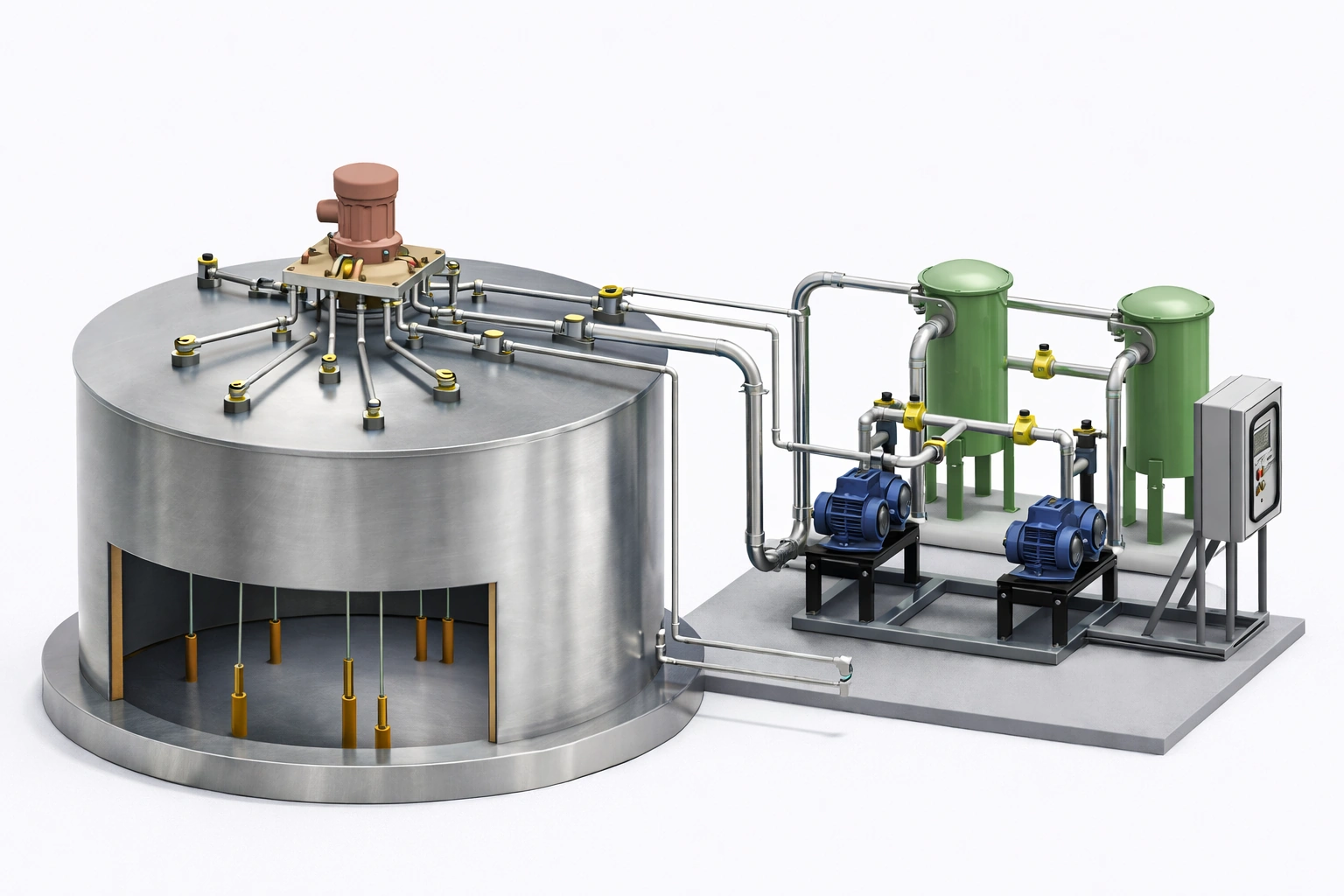
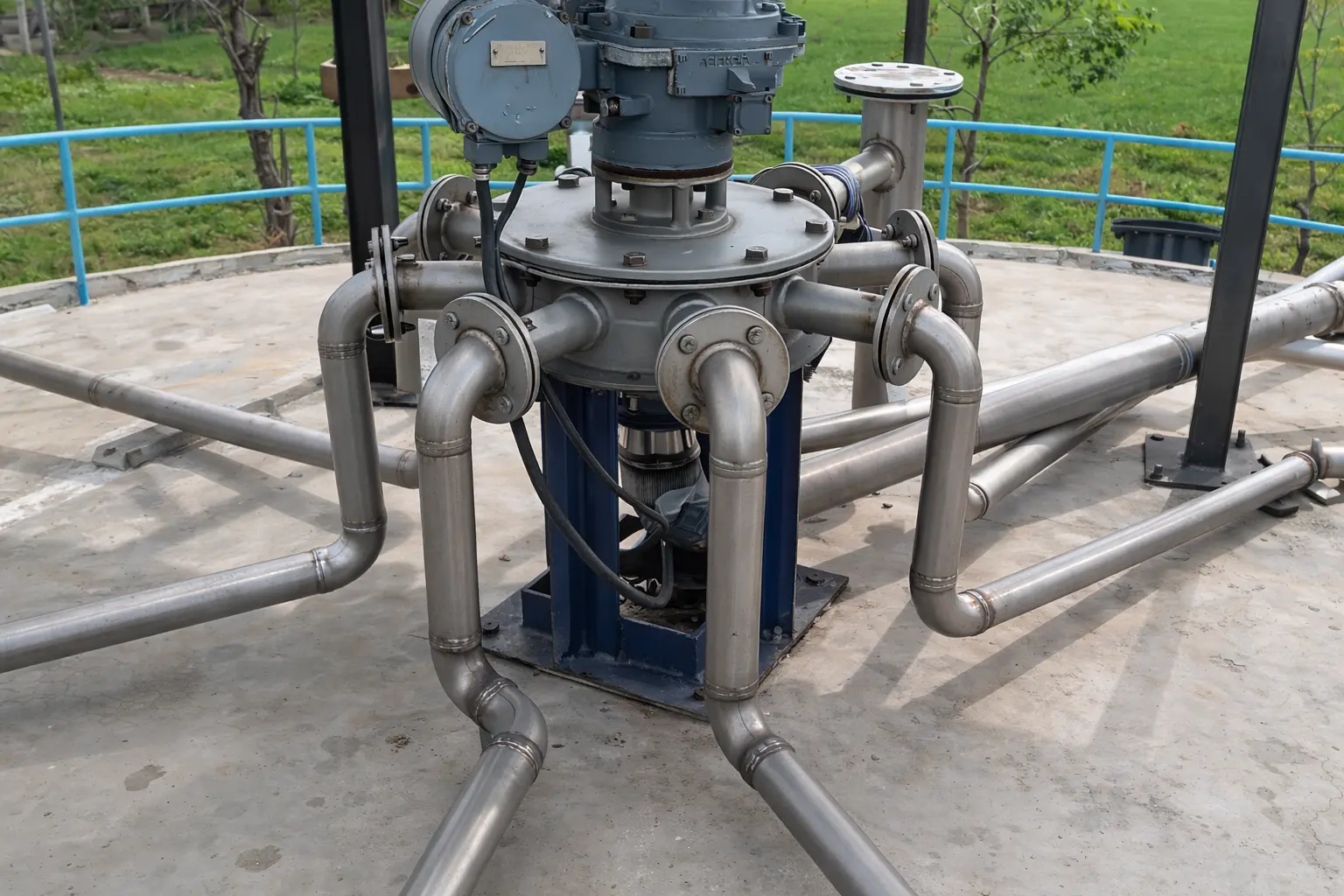
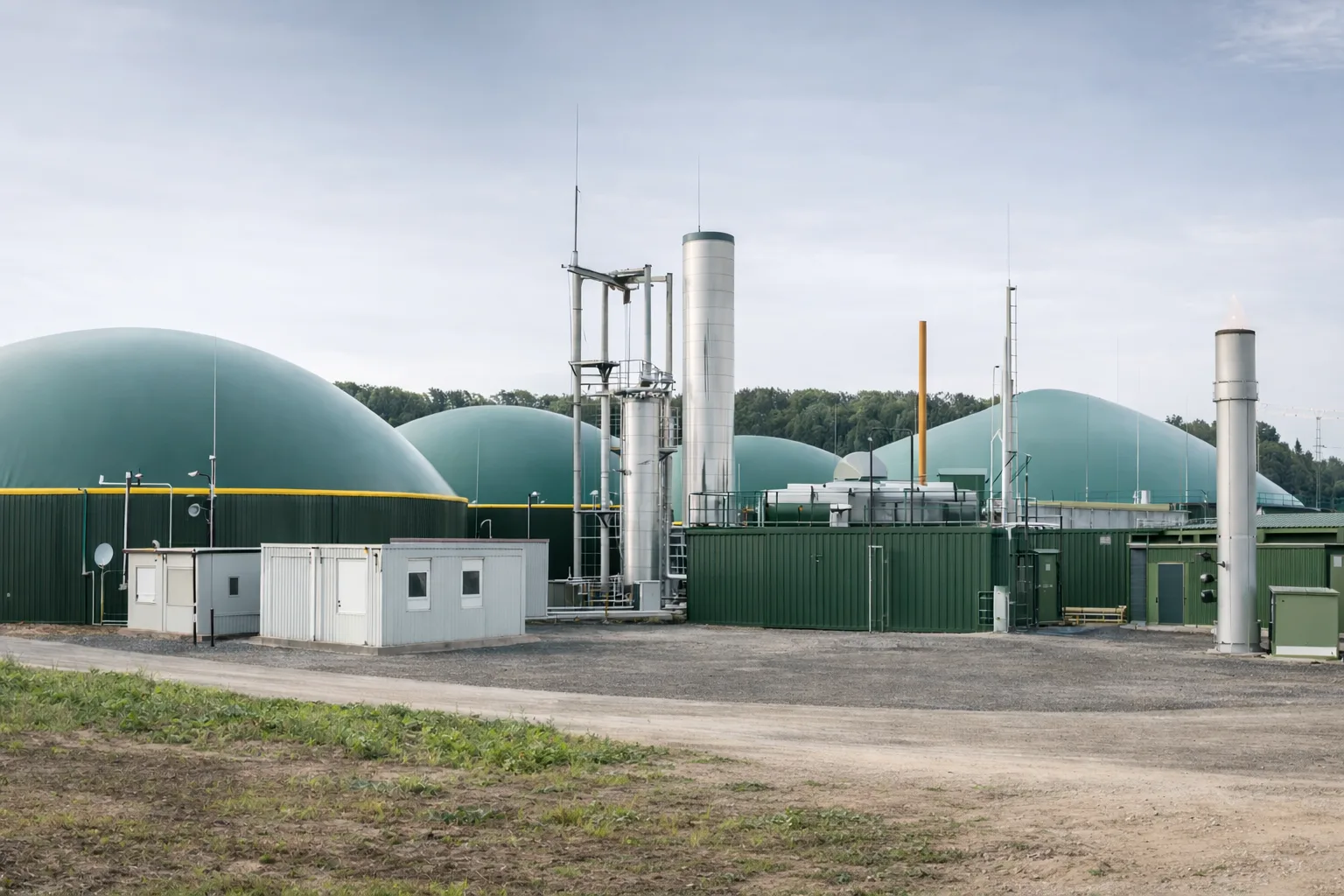
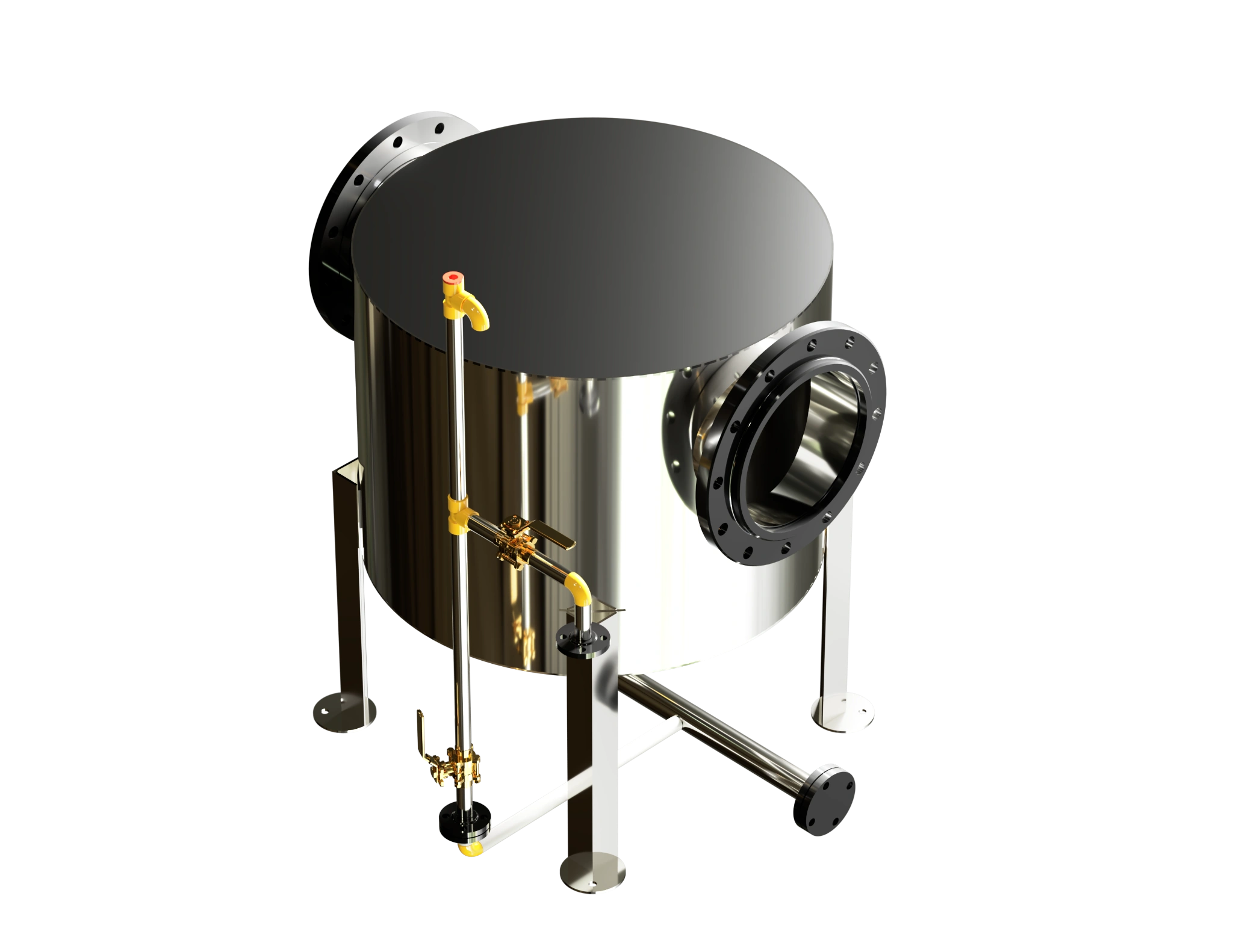
CRA’s Sequential Digester Biogas Mixing System delivers uniform, full-volume mixing using engineered gas recirculation and time-sequenced injection. Recirculated biogas is introduced through strategically placed lances to create controlled circulation across the digester. The system prevents stratification, maintains solids suspension, stabilizes biological performance, and improves gas yield while eliminating internal moving equipment.
Key Benefits
Uniform mixing increases volatile solids destruction, maximizing renewable gas production.
Engineered injection and sequencing ensure consistent mixing and minimize stagnant zones.
No submerged moving equipment. Fewer breakdowns reduce downtime and improve uptime.
Improves pH balance, dilutes inhibitors, and reduces risk of foam and grit buildup.
Reduced energy use, fewer spares, and simpler maintenance lower operating costs.
Projects That Push Boundaries
The CRA Edge
30+ years of gas processing experience with reliable project delivery.
End-to-end design, R&D, and manufacturing under one roof for speed and quality.
ISO 9001, ASME Standards, API certification, and CE marking.
Customized designs meet your exact process needs and strictest regulations.
Applications


Frequently Asked Questions
Why is proper biogas mixing critical for digester performance?
Proper mixing prevents stratification, improves substrate contact with bacteria, and maximizes biogas yield.
Benefits: Uniform temperature | Prevents scum/sediment | Maximizes bacteria-substrate contact | Increases biogas production 15-30% | Reduces digestion time
How does CRA's Sequential Digester Biogas Mixing System improve biogas yield?
Recirculates compressed biogas through nozzles creating turbulent mixing without mechanical agitators.
Advantages: No moving parts in digester | Energy-efficient | Uniform mixing | Prevents stratification | Lower maintenance vs. mechanical
Results: 15-30% biogas yield increase | Faster digestion | Reduced VS content
Why does biogas yield vary so much between plants?
Yield depends on three factors: feedstock quality, digestion process efficiency, and gas upgrading technology. Even a 5% efficiency drop can significantly reduce profitability. That’s why optimization is as important as scale.
What is biogas and why does it require specialized treatment equipment?
Biogas is renewable fuel (50-70% CH₄, 30-50% CO₂) from anaerobic digestion. Raw biogas contains H₂S, moisture, siloxanes, ammonia, VOCs requiring removal.
Problems without treatment: H₂S corrosion | Moisture blockages | Siloxane catalyst poisoning | Odor violations | Safety hazards
Treatment protects equipment, enables safe use, achieves compliance, unlocks value for power/Bio-CNG/RNG.
Are these FAQ answers guaranteed for my specific application?
No. The information in these FAQs is for general guidance only. Every application is unique, and actual performance depends on your specific process conditions, site requirements, and operating parameters. Detailed engineering analysis of your process data is required to provide accurate specifications and performance guarantees. Contact CRA's engineering team for a comprehensive proposal tailored to your specific needs.