
Biological H2S Scrubber
Power of Microbes: Clean Biogas with Biological Scrubbers
.webp)
.svg)
Overview
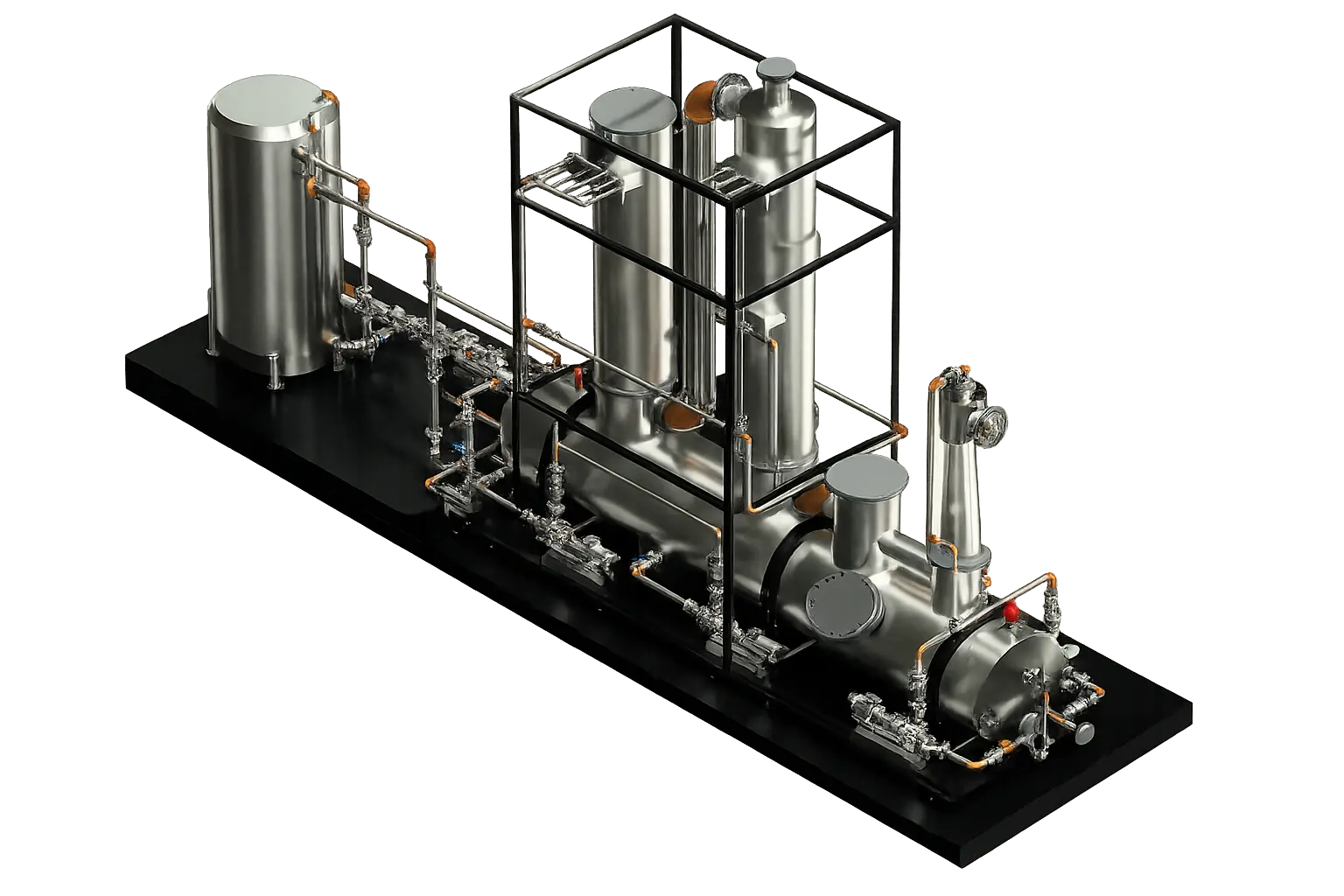
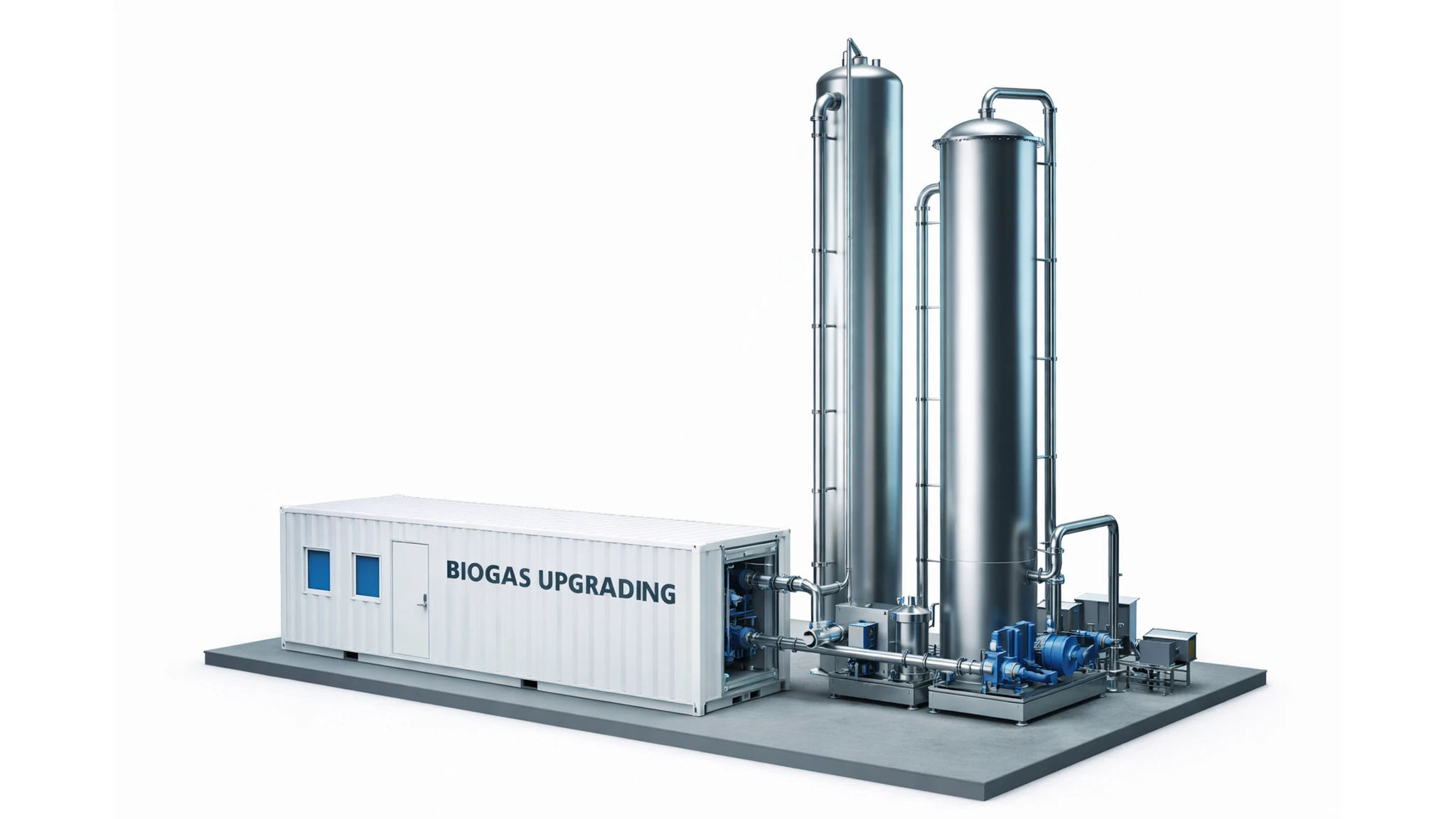
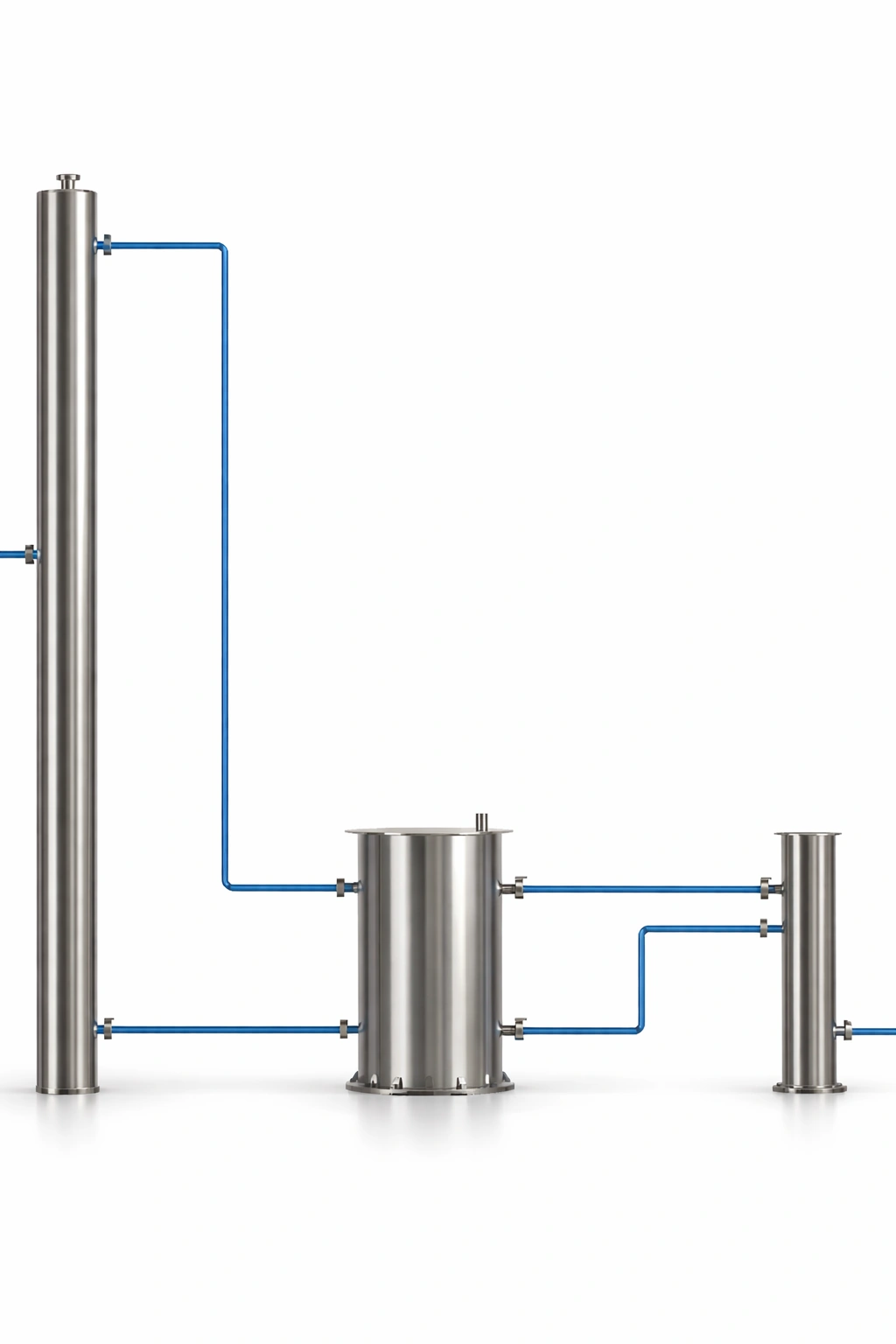
CRA’s Biological Scrubber Systems use naturally occurring microbes to remove hydrogen sulfide (H₂S) and other sulfur compounds from biogas. In a controlled packed-bed environment, sulfur-oxidizing bacteria convert H₂S into sulfate or recoverable sulfur—without chemicals. These systems provide sustainable, low-maintenance, and efficient desulfurization, making them ideal for a wide range of applications and requirements.

Key Benefits
Efficient two- or four-stage designs for low to high inlet concentrations.
Eliminates the need for caustic soda or other reagents, reducing both cost and risk
Natural bacteria continuously oxidize sulfur compounds without external inputs
Corrosion-resistant construction, non-clogging packing, and simple operation deliver uptime above 98%
No hazardous waste, no chemical storage, and no secondary pollution.

.webp)


The CRA Edge
Decades of gas treatment experience with 100+ chemical scrubbers installed around the world for diverse applications.
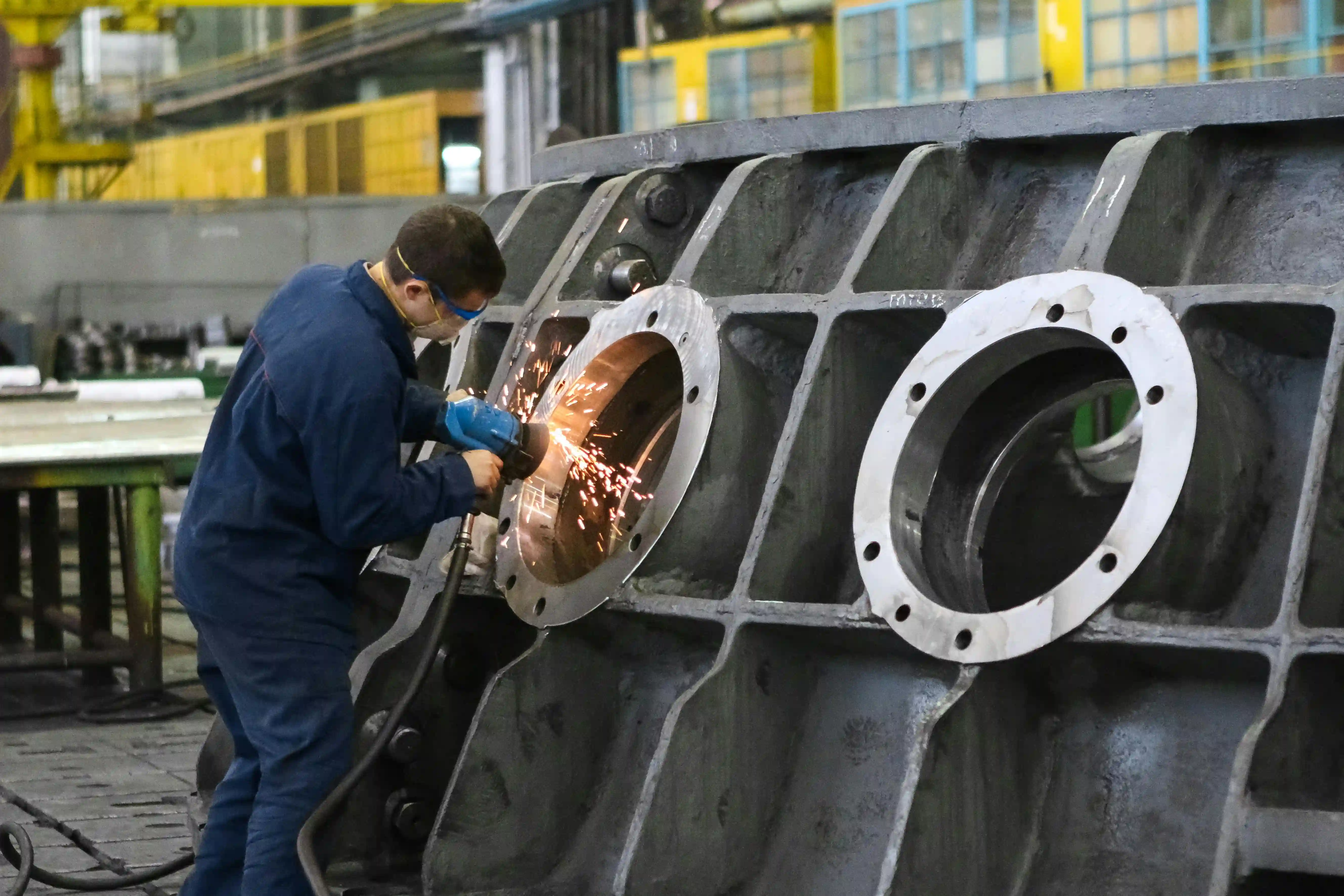
From modeling to fabrication, CRA delivers turnkey systems with fans, pumps, dosing, and automation.
CRA provides a suite of tailored, complementary products designed to meet all your biogas needs.
Engineered to ensure clean gas quality, odor control, and protection of downstream equipment.
Applications




Frequently Asked Questions
When is a Biological Scrubber the best choice for biogas H2S removal?
Best for continuous, high-volume applications minimizing operating cost.
Ideal: >5 kg H₂S/day | 24/7 operation | Low OPEX (only nurients) | 15-40°C temps
10-yr savings: Bio $ low nutirent cost vs. Chemical $ hihg NaOH cost = $ saved
How does a biological scrubber work and what are the maintenance requirements?
Bacteria oxidize H₂S achieving >98-99% removal.
Process: bacteria biofilm | Oxidizes H₂S to sulfate/sulfur | Nutrients suplied
Startup: 2-4 weeks | Maintenance: Daily monitoring | Monthly inspections | Minimal parts
What are the key differences between chemical and biological scrubbers for biogas?
Chemical: Instant startup | -10 to +60°C | Intermittent OK | <1 ppm outlet
Biological: 2-4 week startup | 15-40°C | Continuous needed | 10-50 ppm outlet
Choose Chemical: Intermittent | Cold | Instant start | Ultra-low H₂S
Choose Biological: 24/7 | High load | Opex priority
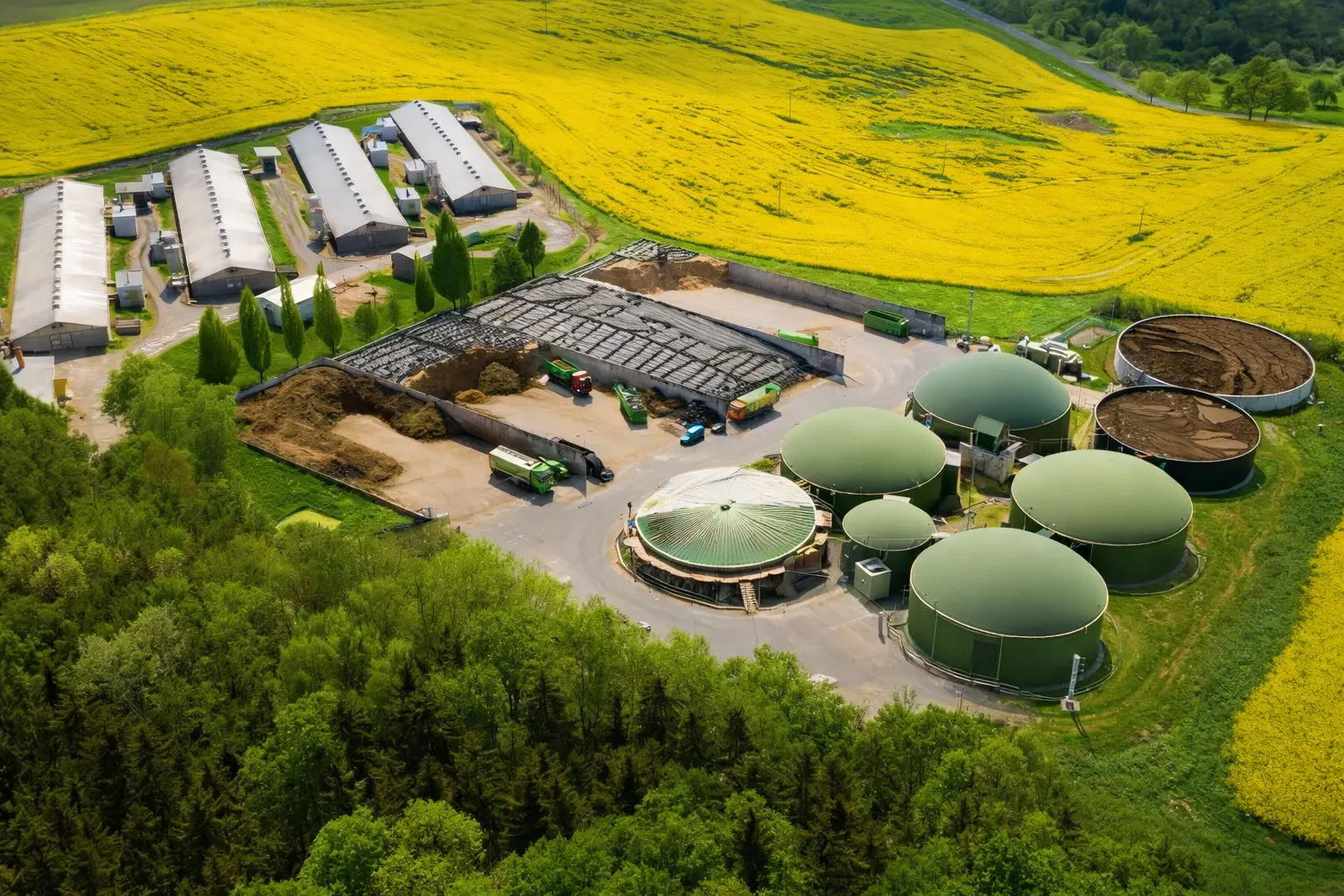
What is biogas and why does it require specialized treatment equipment?
Biogas is renewable fuel (50-70% CH₄, 30-50% CO₂) from anaerobic digestion. Raw biogas contains H₂S, moisture, siloxanes, ammonia, VOCs requiring removal.
Problems without treatment: H₂S corrosion | Moisture blockages | Siloxane catalyst poisoning | Odor violations | Safety hazards
Treatment protects equipment, enables safe use, achieves compliance, unlocks value for power/Bio-CNG/RNG.
What factors determine the right biogas treatment system for my application?
Selection depends on gas composition (H₂S concentration, moisture, siloxanes), operating profile (flow, continuous vs. batch), end-use (power, grid injection >98% CH₄, Bio-CNG), and site constraints (footprint, power, chemicals, operators).
CRA designs integrated treatment optimizing 20+ year cost of ownership.
Are these FAQ answers guaranteed for my specific application?
No. The information in these FAQs is for general guidance only. Every application is unique, and actual performance depends on your specific process conditions, site requirements, and operating parameters. Detailed engineering analysis of your process data is required to provide accurate specifications and performance guarantees. Contact CRA's engineering team for a comprehensive proposal tailored to your specific needs.