
Membrane Biogas Upgrading System
Membrane-based biogas upgrading to >98% biomethane for CBG, RNG, and grid injection
.svg)
Compact, dry-process upgrading to >98% biomethane
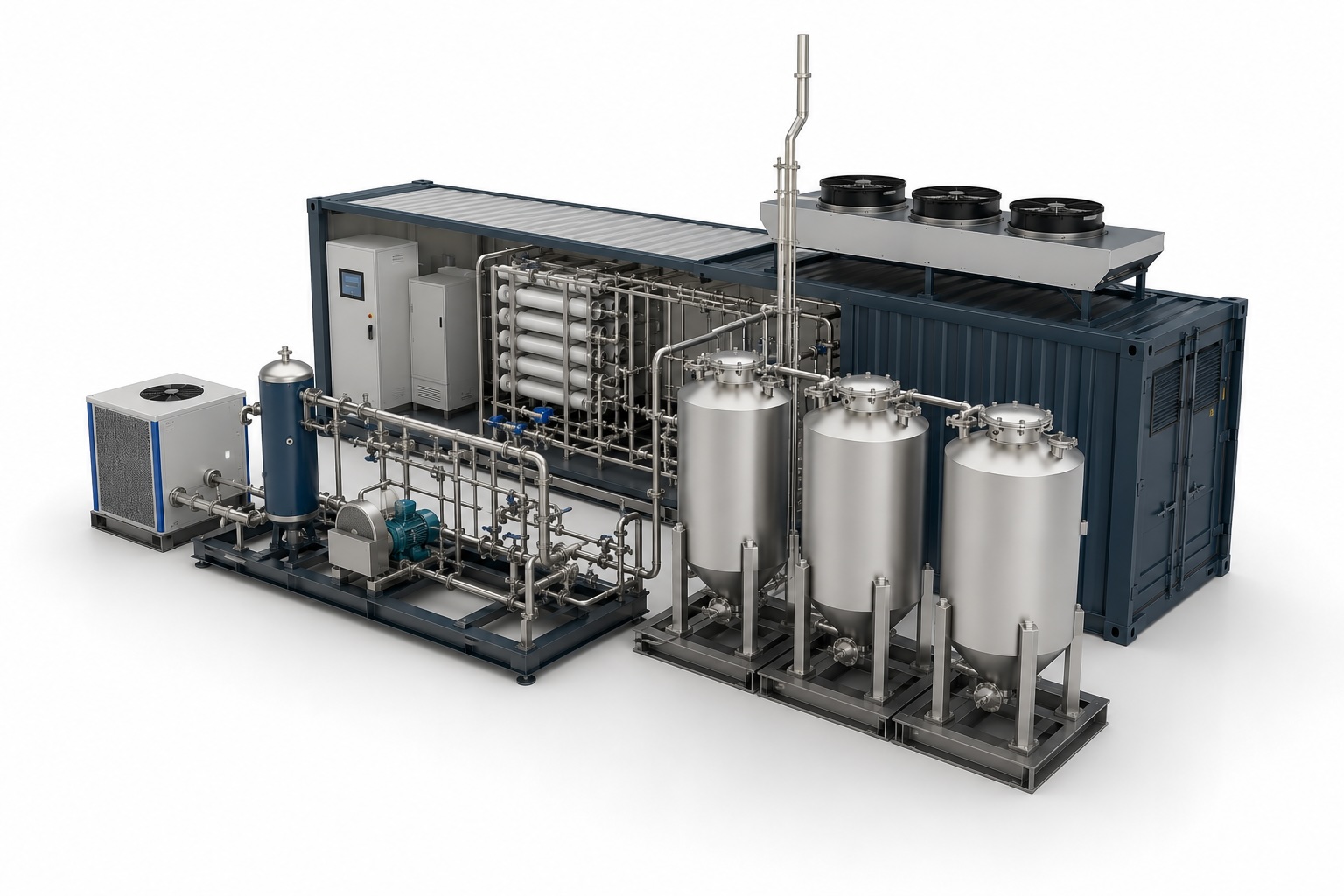
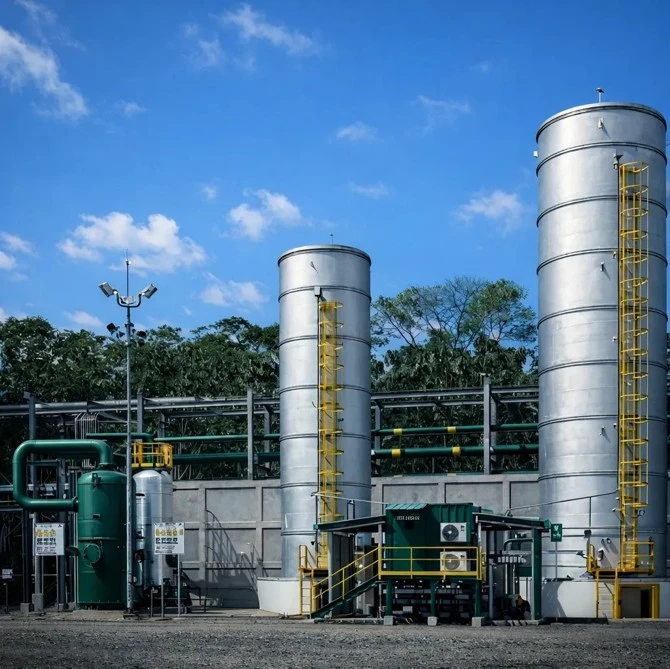
CRA's Membrane Biogas Upgrading System separates CO₂ from raw biogas to produce high-purity biomethane (RNG) at over 98% methane, using a multi-stage membrane process with no water or solvents. Because membrane life and methane recovery depend on clean, stable inlet gas, we engineer the upstream gas train — H₂S scrubbing (chemical and biological), dehumidification, and compression — in-house and integrate it with the membrane skid as one package. The result is a compact, modular, low-OPEX system delivered containerized or skid-mounted for grid injection, Compressed Biogas (CBG / Bio-CNG), Bio-LNG, and industrial use.
Biomethane Purity
>98% CH₄
CO₂ in Product
<0.5%
Methane Recovery
>95%
Process
Dry membrane
What is a Membrane Biogas Upgrading System?
A membrane biogas upgrading system separates CO₂ from methane using hollow-fiber membrane modules, producing high-purity biomethane suitable for grid injection, compressed biogas (CBG/Bio-CNG), Bio-LNG, or industrial fuel — without water, solvents, or chemicals.
How it works
Compressed, dried, and desulfurized biogas enters the membrane module under pressure, where CO₂ and methane separate based on how fast each permeates through the hollow-fiber walls.
Biogas is compressed, dried, and desulfurized before it enters the membrane module, since membrane performance depends on clean, stable inlet gas.
CO₂ permeates through the hollow-fiber walls faster than methane and exits as a permeate stream, while methane-rich gas exits as the retentate.
Multi-stage configurations recirculate methane from intermediate permeate streams, pushing recovery above 95%.
Key Benefits
Achieves >98% methane with <0.5% CO₂, enabling direct grid injection or vehicle fuel use
Dry membrane process minimizes energy, water, and chemical consumption
Upgrading, H₂S scrubbing, and compression engineered under CRA’s roof
Containerized or skid-mounted for easy deployment and scalability
Supports RNG, Bio-CNG, and Bio-LNG pathways for decarbonization goals.
The CRA Edge
Decades of gas processing experience with reliable project delivery
End-to-end design, R&D, and manufacturing under one roof for speed and quality
ISO 9001, ASME Standards, API certification, and CE marking
Customized designs meet your exact process needs and strictest regulations
Applications


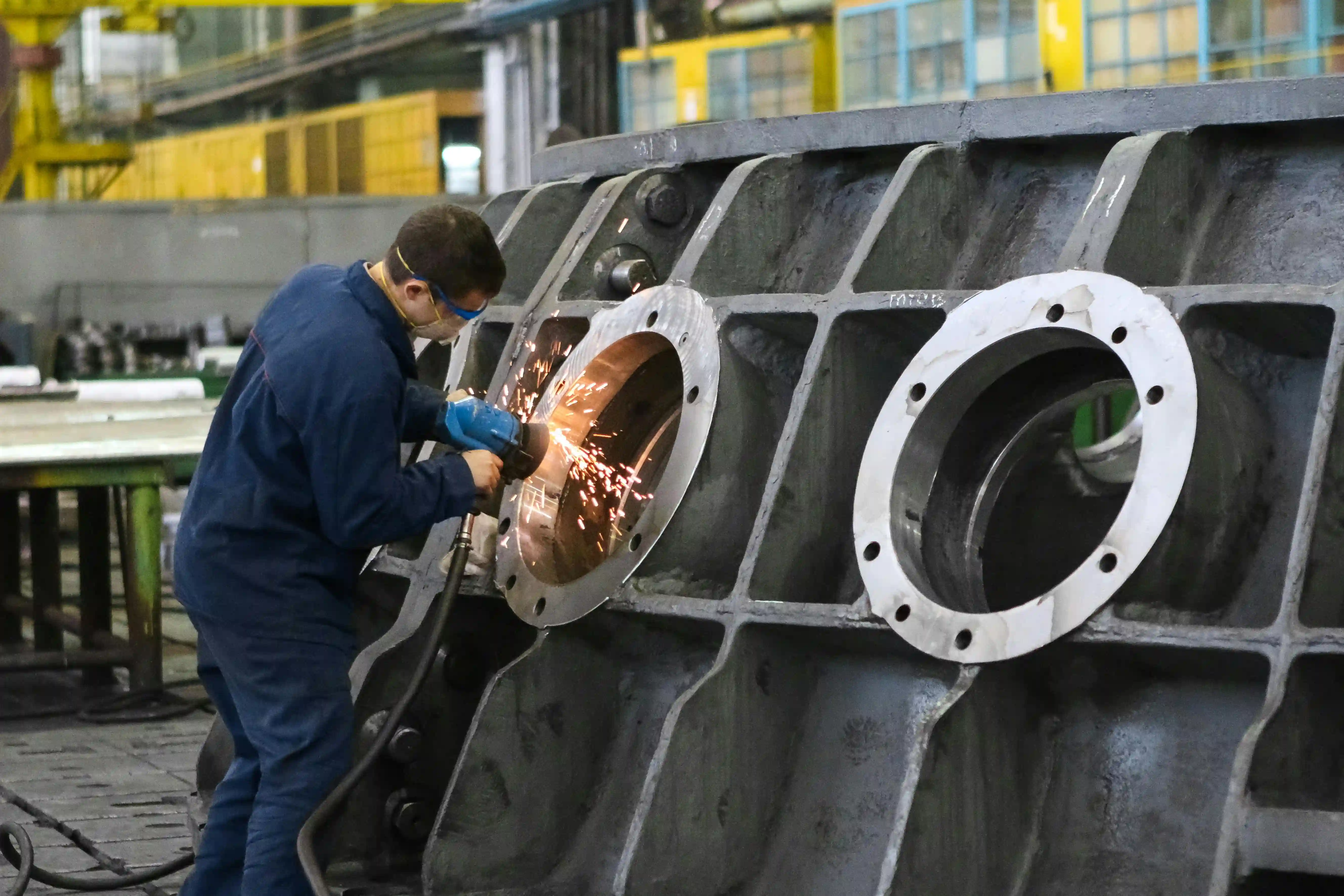
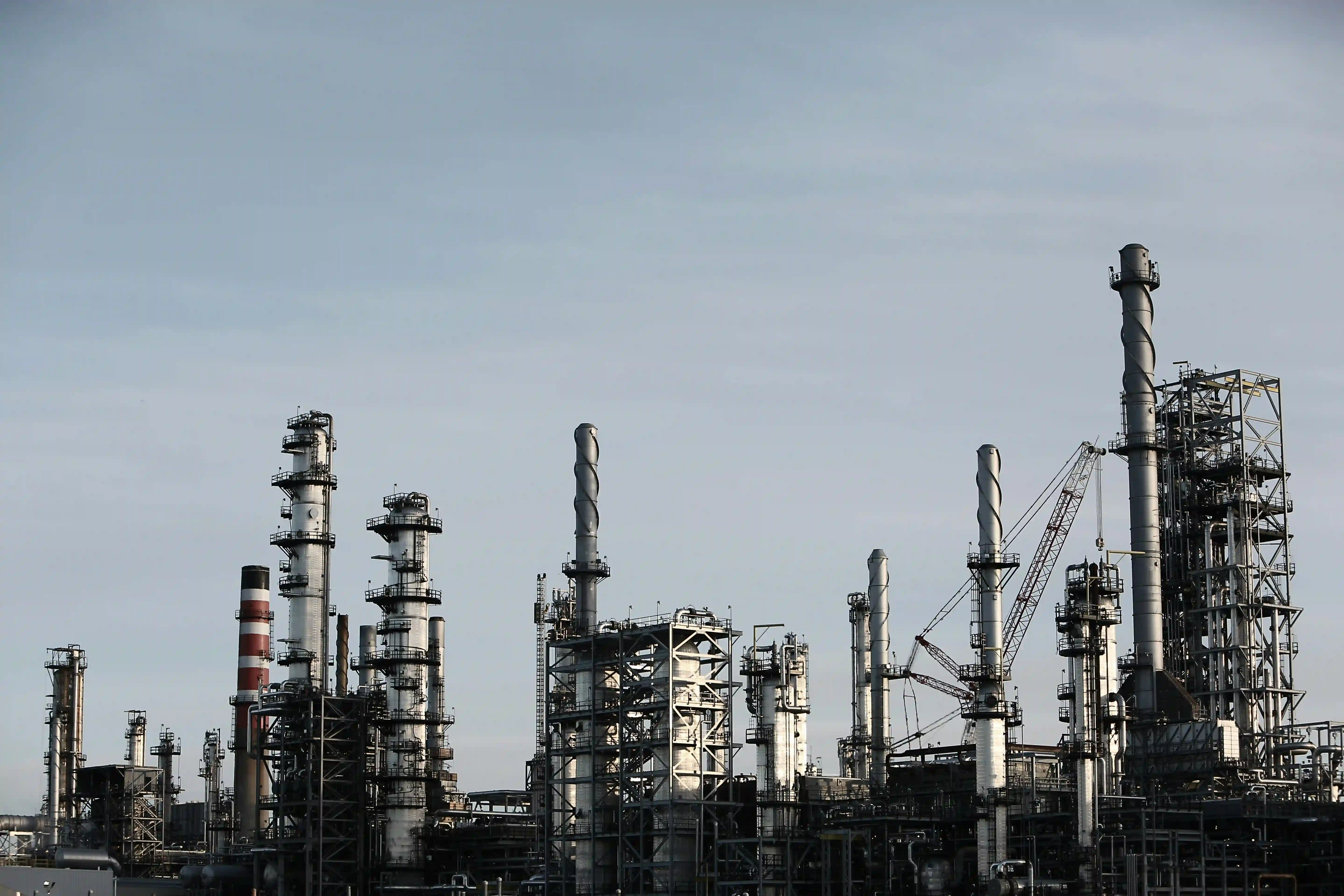
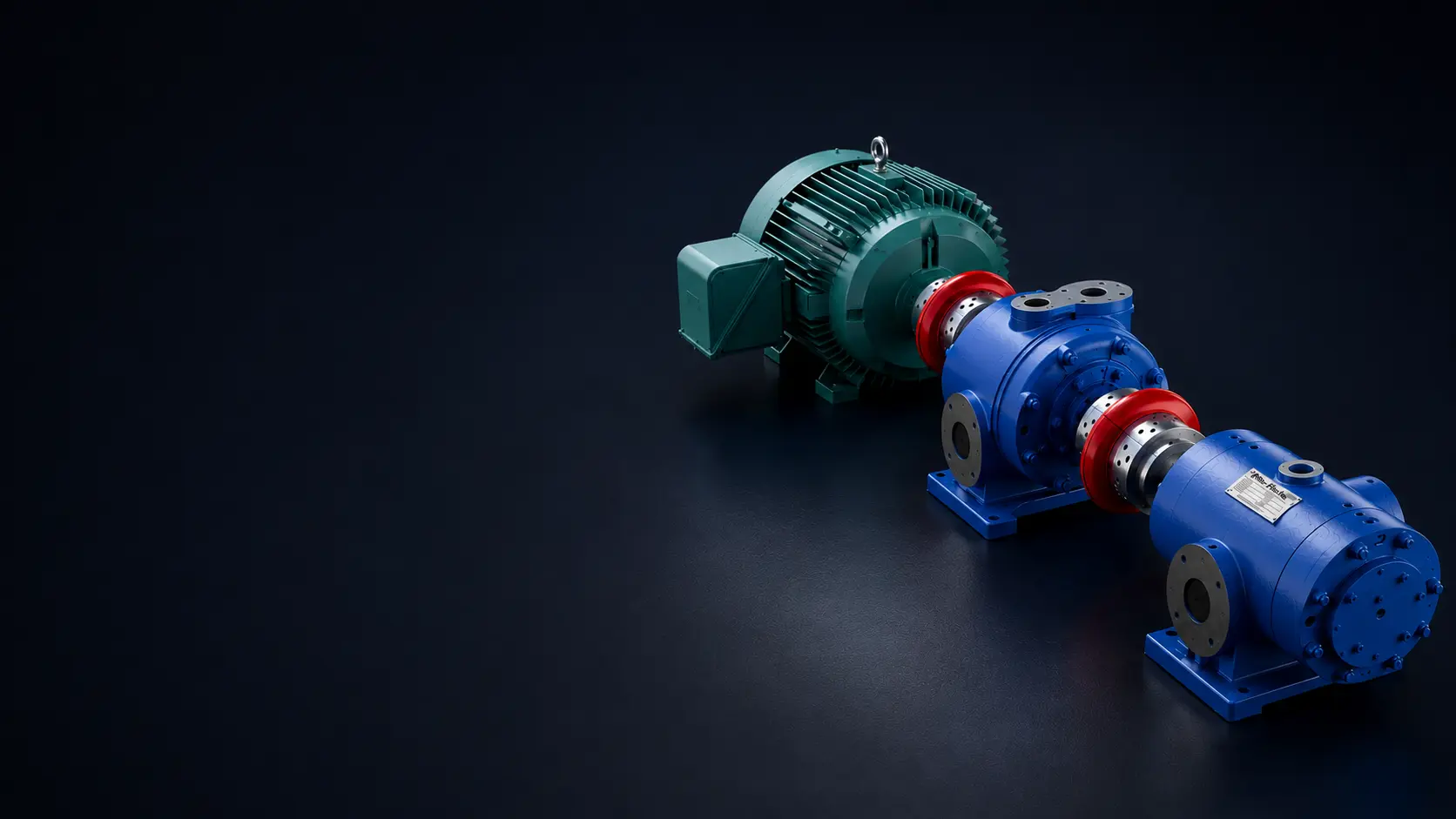
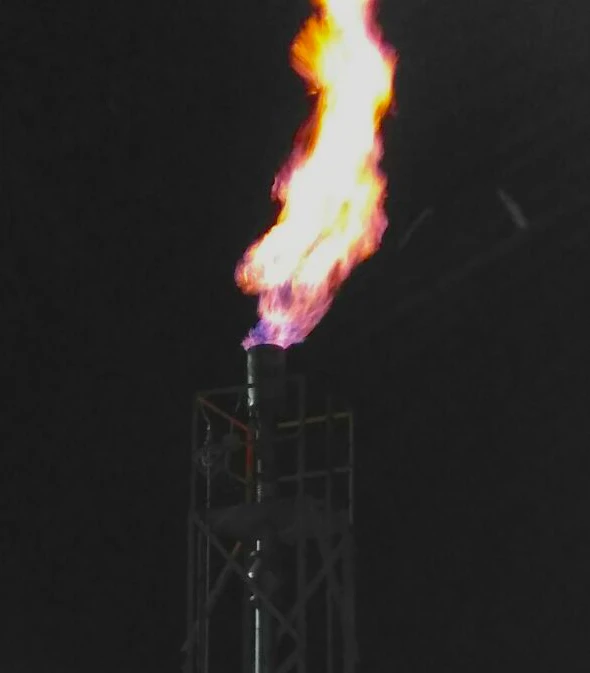


.webp)

Frequently Asked Questions
How does membrane-based biogas upgrading work?
Selective membranes separate CO₂ from CH₄ achieving >98% purity.
Process: Multi-stage membrane separation | CO₂ permeates through | CH₄ retained as product | Dry process (no water/chemicals)
Advantages: Compact footprint | Low OPEX | Modular/scalable | Minimal utilities
What are the key differences between biogas upgrading technologies?
Membrane: >98% CH₄ | Dry process | Compact | Low opex | CRA specialty
PSA: >98% CH₄ | Dry process | Higher capex | Good for large scale
Water scrubbing: >97% CH₄ | Wet process | Water consumption | Wastewater treatment needed
Chemical scrubbing: >99% CH₄ | Chemicals required | Higher opex
When is a Biogas Upgrading System necessary and what purity can it achieve?
Necessary for grid injection (RNG) or vehicle fuel (Bio-CNG) requiring >98% CH₄ purity.
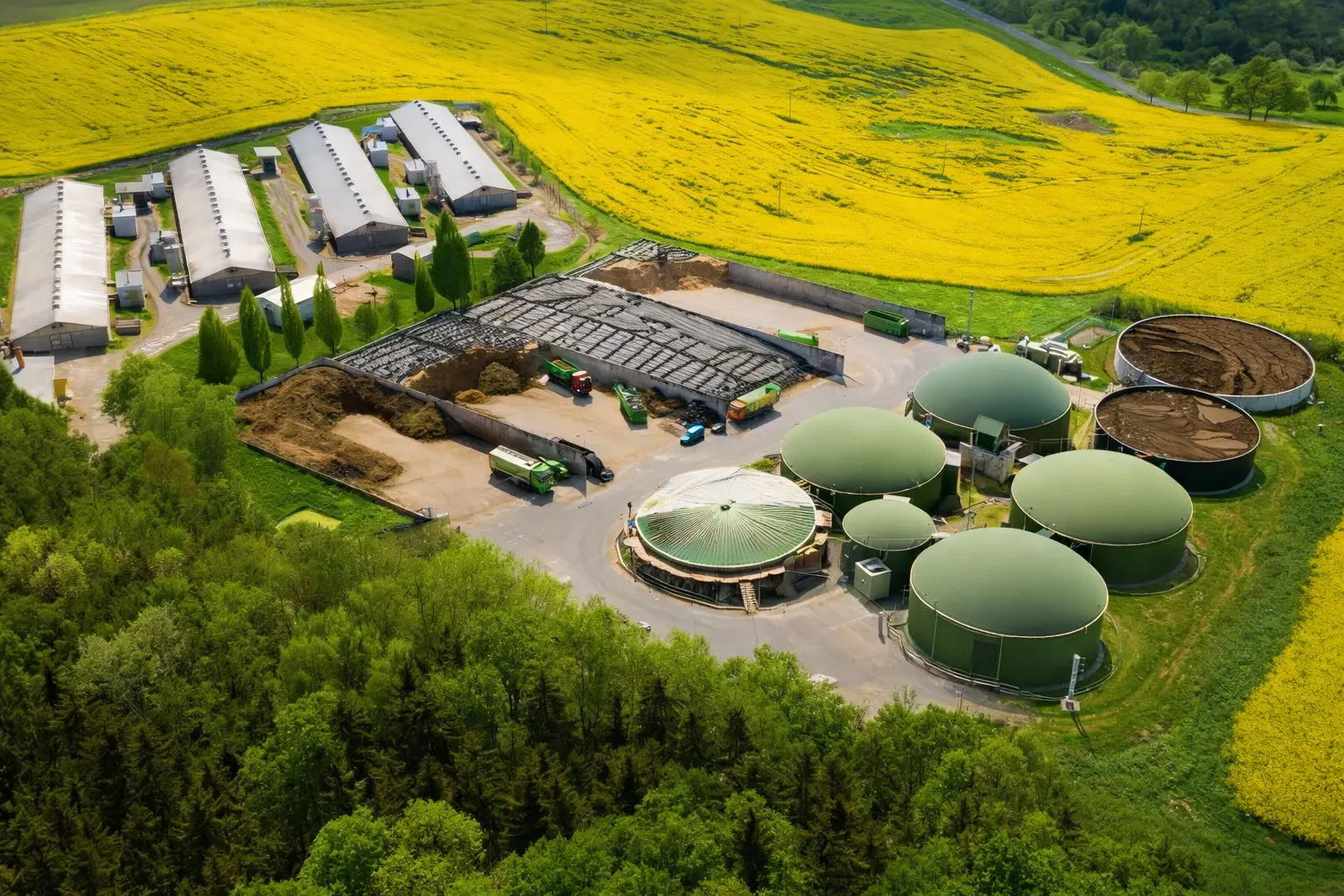
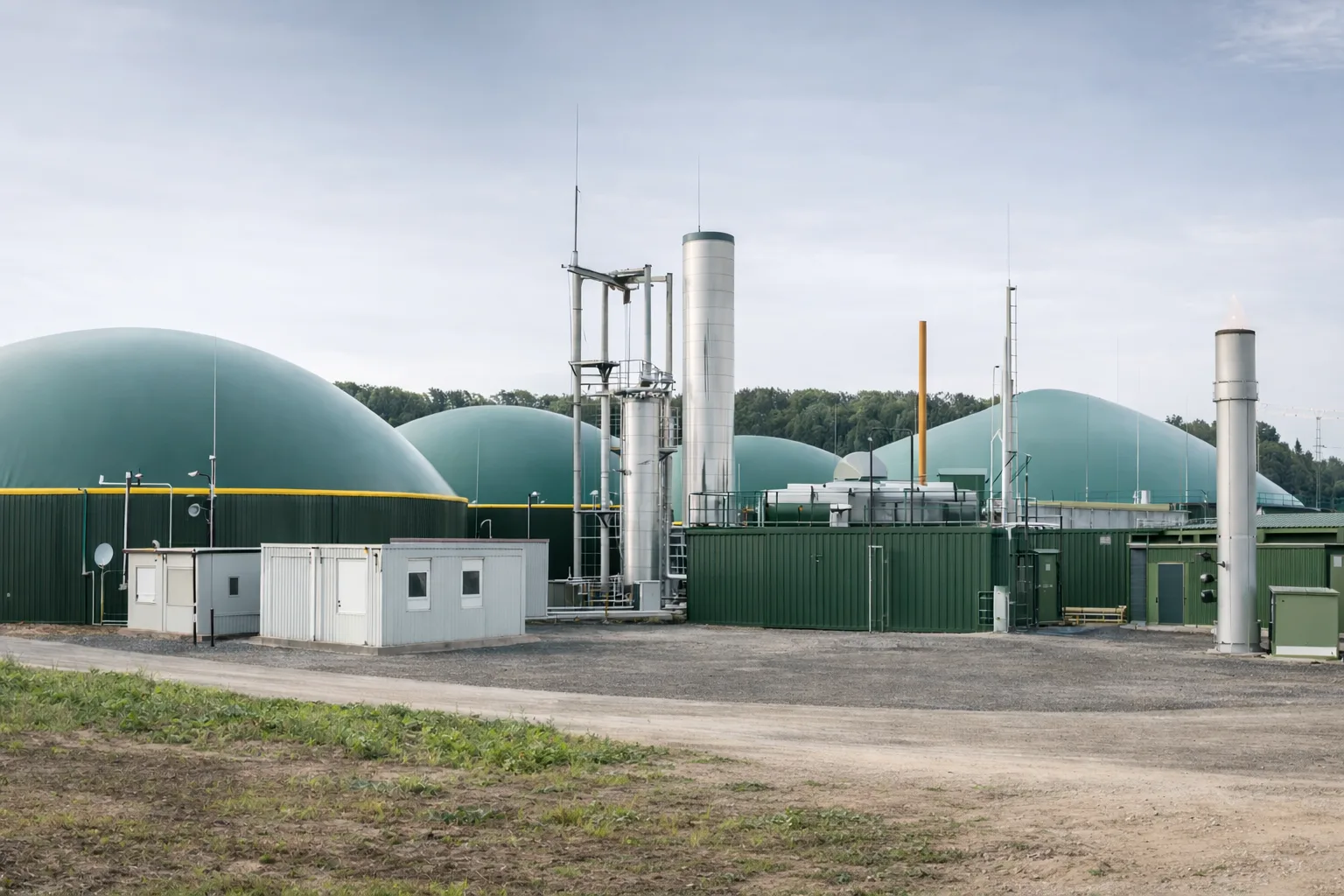
Applications: Pipeline injection | CNG vehicles | High-value energy sales | Carbon credits
CRA membrane upgrading: >98% CH₄ | <0.5% CO₂ | <4 ppm H₂S | Compact modular design
Are these FAQ answers guaranteed for my specific application?
No. The information in these FAQs is for general guidance only. Every application is unique, and actual performance depends on your specific process conditions, site requirements, and operating parameters. Detailed engineering analysis of your process data is required to provide accurate specifications and performance guarantees. Contact CRA's engineering team for a comprehensive proposal tailored to your specific needs.
What is the typical treatment train for biogas-to-Bio-CNG or RNG production?
Step 1: H₂S Removal - Chemical or biological scrubber to <10 ppm
Step 2: Polishing - Activated carbon to <0.1 ppm H₂S, remove siloxanes
Step 3: Dehumidification - Remove moisture to -20°C dewpoint
Step 4: Upgrading - Membrane or PSA to >98% CH₄
Step 5: Compression - To pipeline pressure (100-1000 psig) or CNG (3600 psig)
CRA provides complete integrated systems from digester to dispensing.