
Biogas Flare
Safe, Reliable, and Compliant Biogas Flaring Solutions
.svg)
Overview
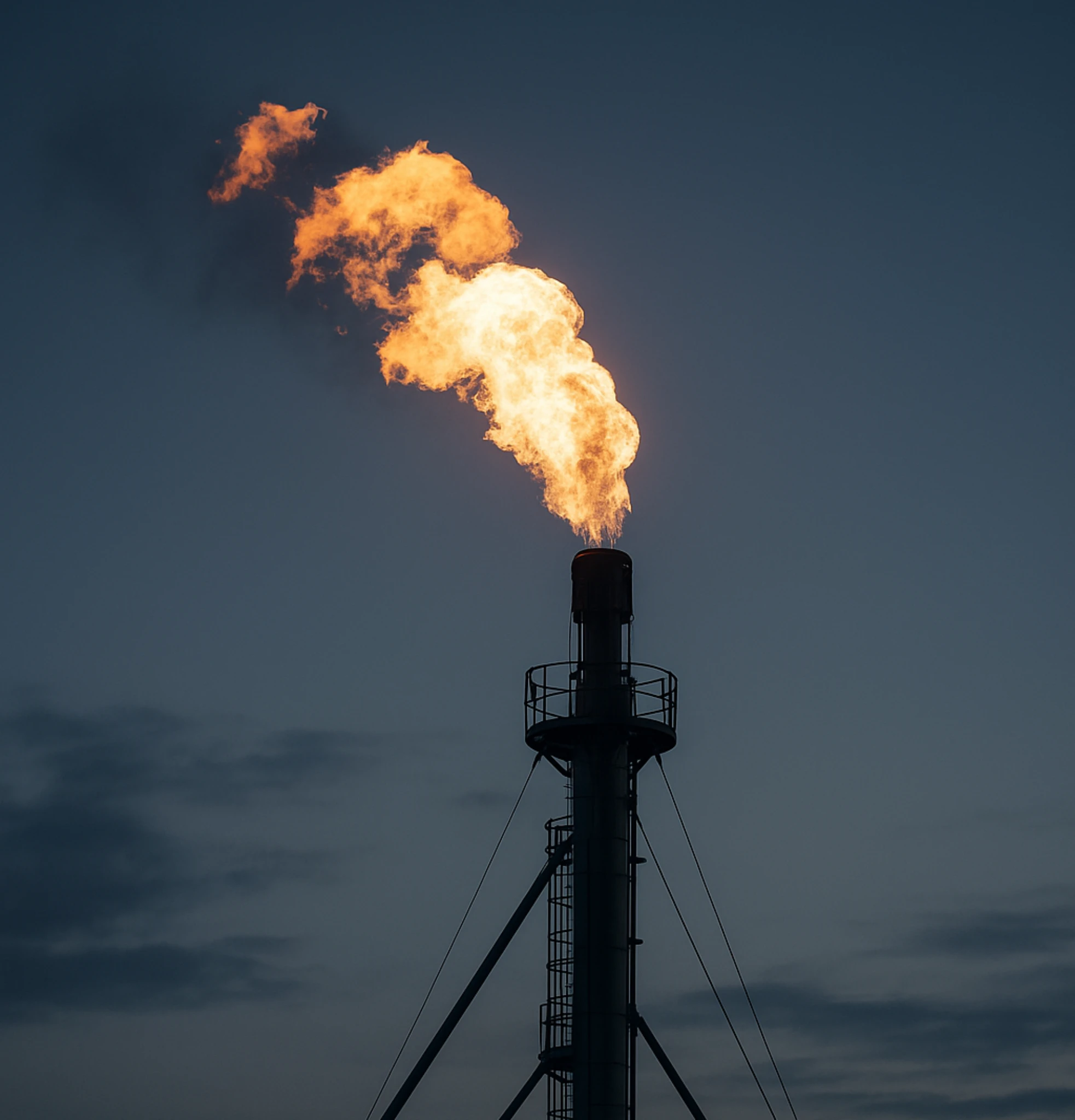
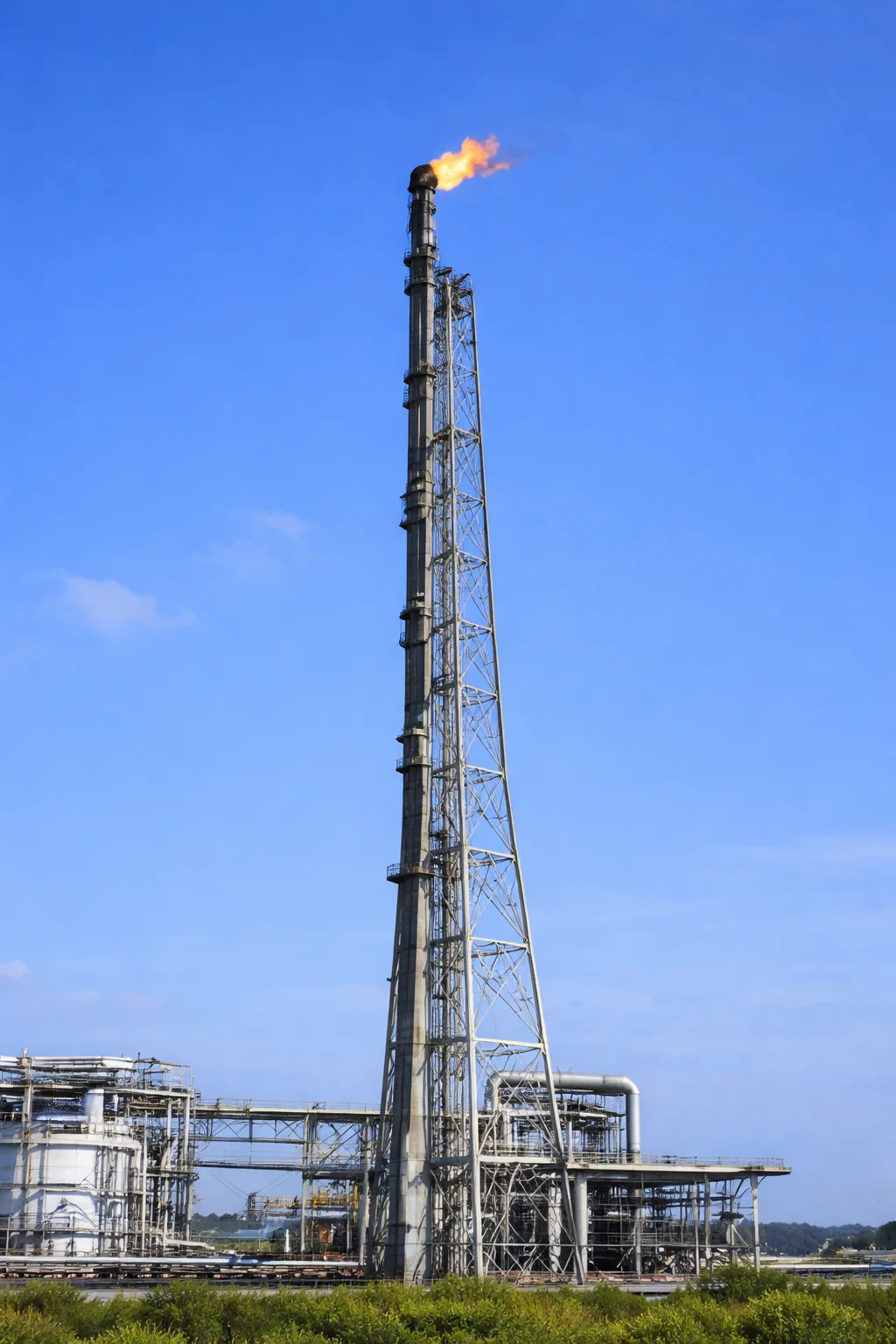
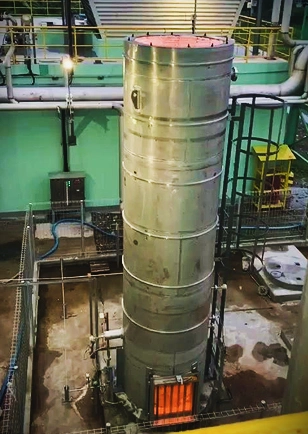
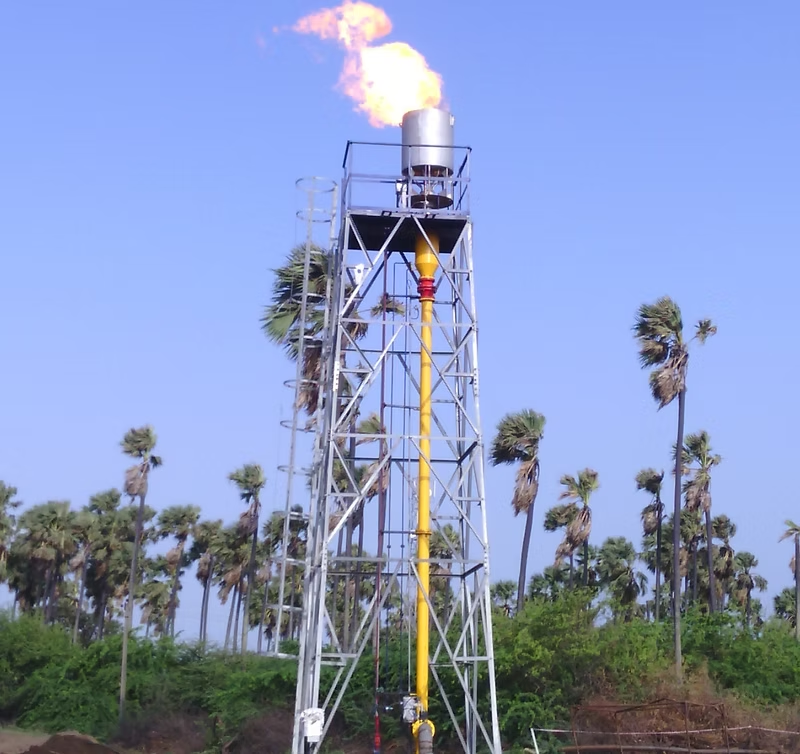
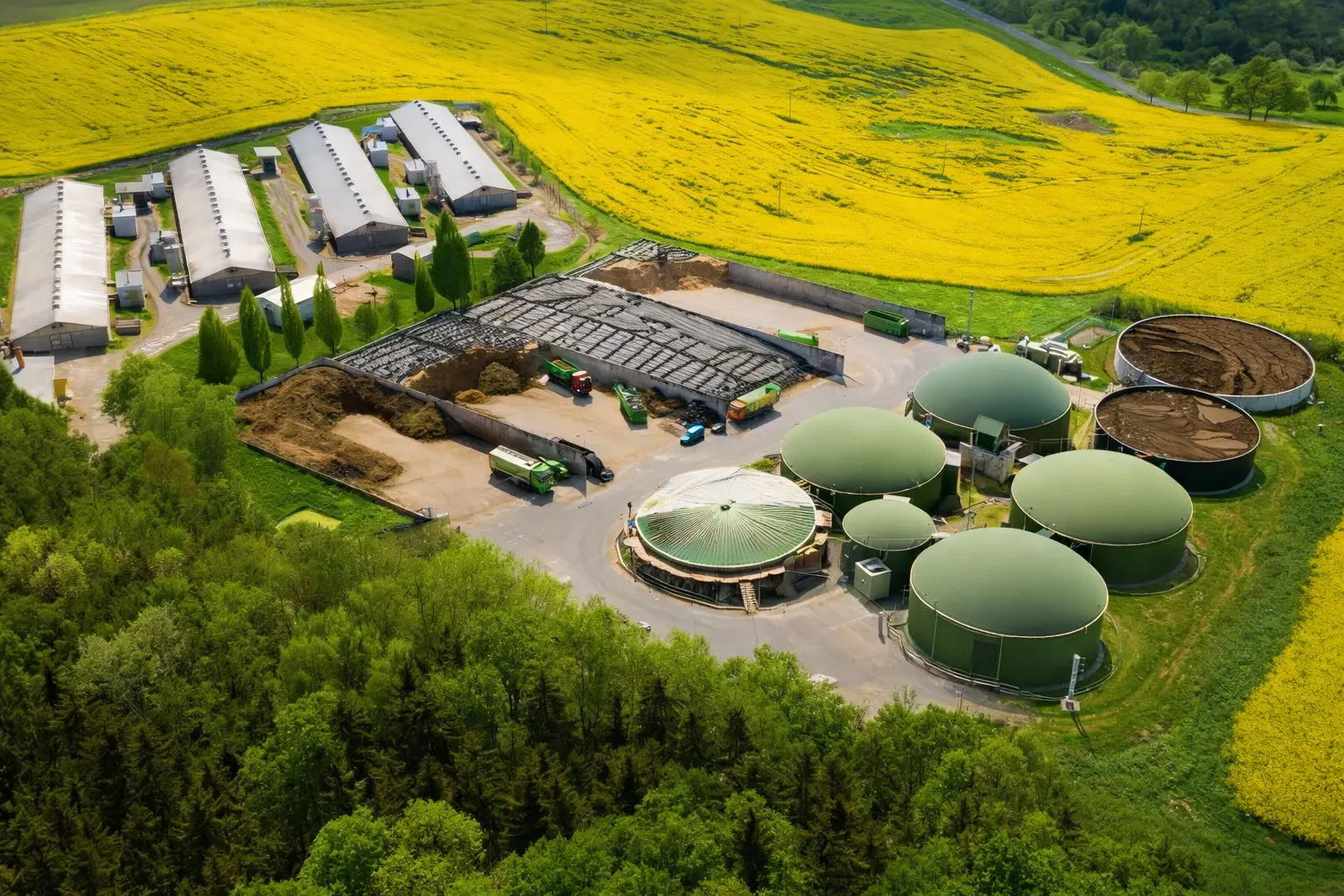
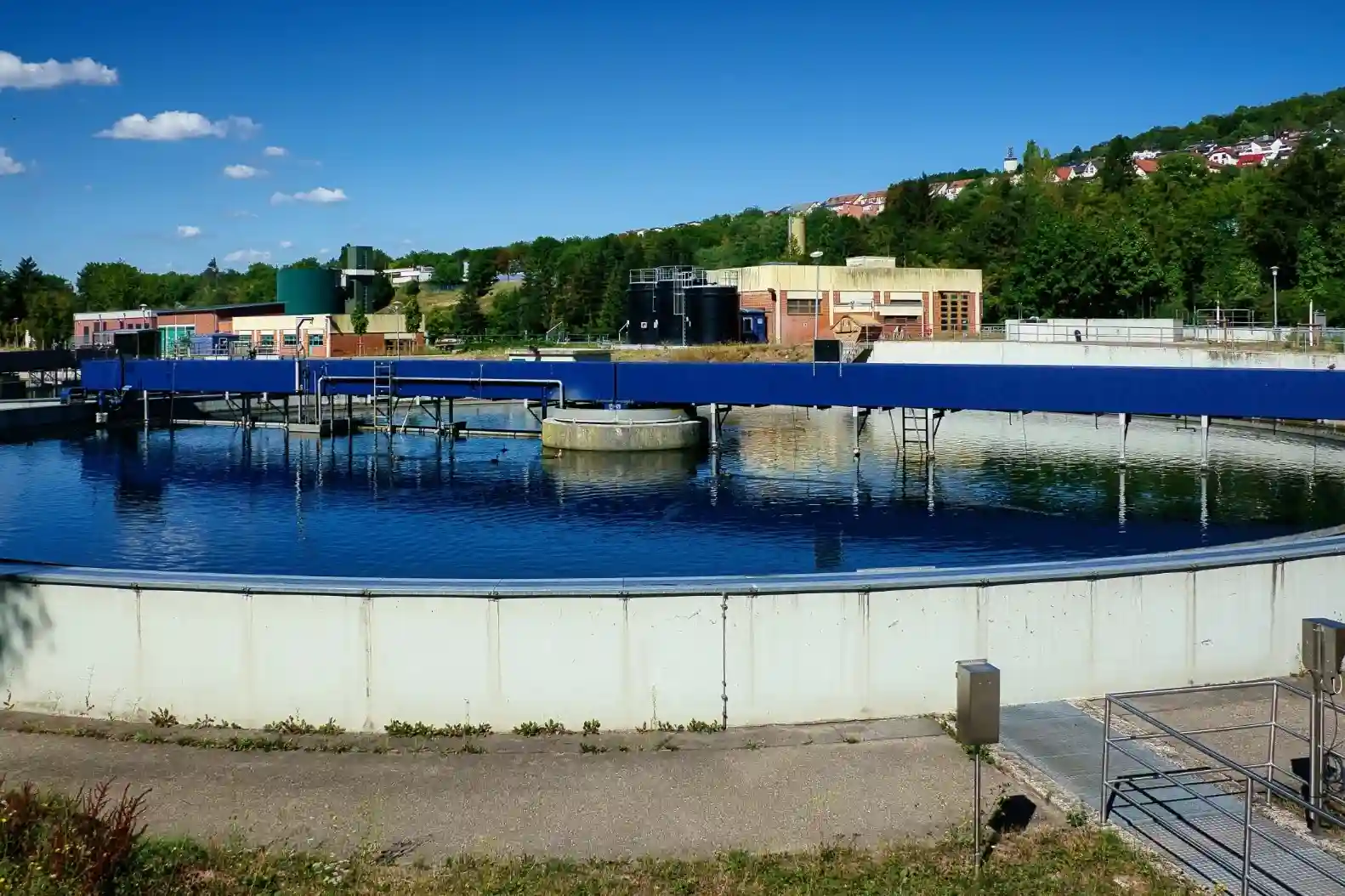
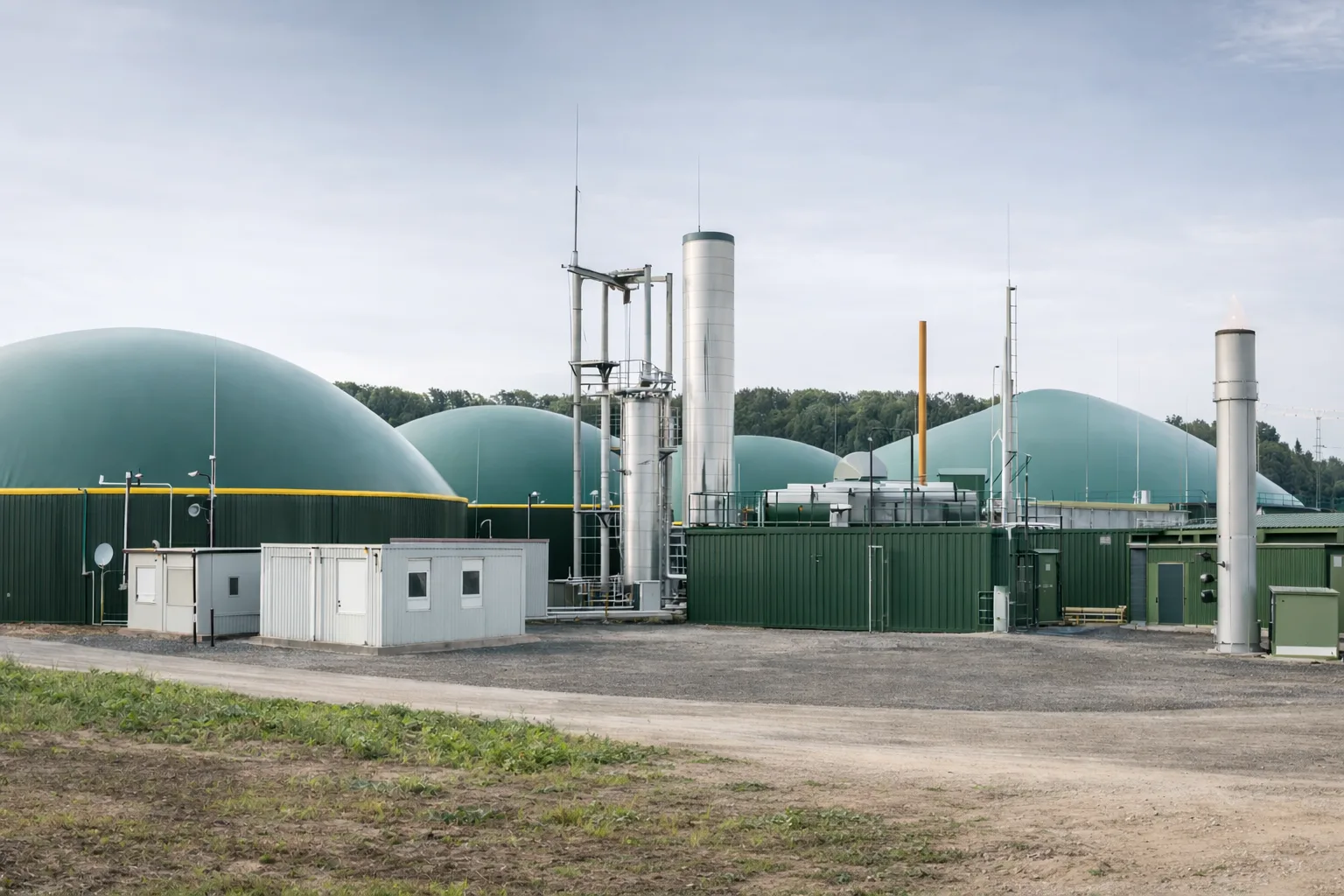
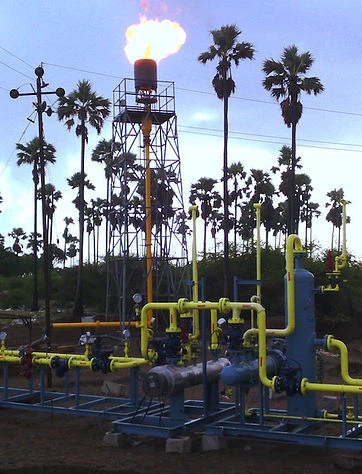
CRA’s Biogas Flare systems are engineered to safely combust surplus biogas under normal, upset, or emergency operating conditions. Designed to handle variable flow rates and fluctuating gas compositions, these flares ensure high destruction efficiency while minimizing environmental impact. Available in open, enclosed, and low-emission configurations, CRA biogas flares deliver stable performance, regulatory compliance, and long-term reliability across landfill, wastewater, and renewable energy facilities.
Key Benefits
Ensures controlled destruction of excess biogas, preventing hazardous gas accumulation.
Stable combustion across fluctuating methane content, flow rates, and pressures.
Achieves >98% methane and VOC destruction to reduce greenhouse gas emissions.
Integrated ignition, flame detection, and safety interlocks enable reliable hands-free operation.
Designed to meet EPA, EU IED, and international biogas flaring standards.


The CRA Edge
Decades of experience delivering flares for biogas and waste-to-energy projects.
Design, fabrication, and commissioning managed in-house.
Systems engineered to meet international environmental and safety standards.
Each flare is customized for site conditions, gas composition, and flow variability.
Applications

Frequently Asked Questions
Why are flares considered critical in biogas plants?
Flares aren’t just backup devices — they are essential safety systems. In case of excess gas, pressure build-up, or equipment failure, a flare safely combusts methane and other gases, preventing leaks, explosions, and environmental damage.
What destruction efficiency and emissions performance do biogas flares achieve?
>98% methane destruction required; CRA achieves >99.5%.
Performance: 760-1100°C combustion | >0.3 sec residence | <50 ppm CO | <10 ppm unburned HC | <5% opacity
GHG benefit: 1 kg CH₄ flared = 2.75 kg CO₂ vs. 28 kg CO₂-eq vented = 90% reduction
What are the operating costs and maintenance requirements for biogas flare systems?
Low operating cost; critical for 24/7 safety function.
Opex (500 Nm³/hr): Pilot fuel $2-7K/yr | Assist air $2-9K/yr | Power $400-1750/yr | Total $5-16K/yr
Maintenance: Daily flame check | Monthly burner inspection | Quarterly sensor cleaning | Annual full inspection | Refractory 5-10 years
Uptime: >99% availability
When is a Biogas Flare System necessary and what are the key design considerations?
Essential safety equipment for all biogas facilities. Prevents gas accumulation, destroys methane (28x GWP of CO₂).
Required for: Emergency relief | Startup/shutdown | Load-following | Off-spec gas | Regulatory compliance (>98% CH₄ destruction)
Design: Size for 125-150% utilization capacity | 4:1 to 10:1 turndown | 760-1100°C combustion | <5% opacity
What factors determine the right biogas treatment system for my application?
Selection depends on gas composition (H₂S concentration, moisture, siloxanes), operating profile (flow, continuous vs. batch), end-use (power, grid injection >98% CH₄, Bio-CNG), and site constraints (footprint, power, chemicals, operators).
CRA designs integrated treatment optimizing 20+ year cost of ownership.
What is biogas and why does it require specialized treatment equipment?
Biogas is renewable fuel (50-70% CH₄, 30-50% CO₂) from anaerobic digestion. Raw biogas contains H₂S, moisture, siloxanes, ammonia, VOCs requiring removal.
Problems without treatment: H₂S corrosion | Moisture blockages | Siloxane catalyst poisoning | Odor violations | Safety hazards
Treatment protects equipment, enables safe use, achieves compliance, unlocks value for power/Bio-CNG/RNG.
Are these FAQ answers guaranteed for my specific application?
No. The information in these FAQs is for general guidance only. Every application is unique, and actual performance depends on your specific process conditions, site requirements, and operating parameters. Detailed engineering analysis of your process data is required to provide accurate specifications and performance guarantees. Contact CRA's engineering team for a comprehensive proposal tailored to your specific needs.