
Bio-Regenerative Chemical H2S Scrubber
Bio-Regenerative Chemical Scrubbers for High-Load H₂S Removal
.svg)
Overview
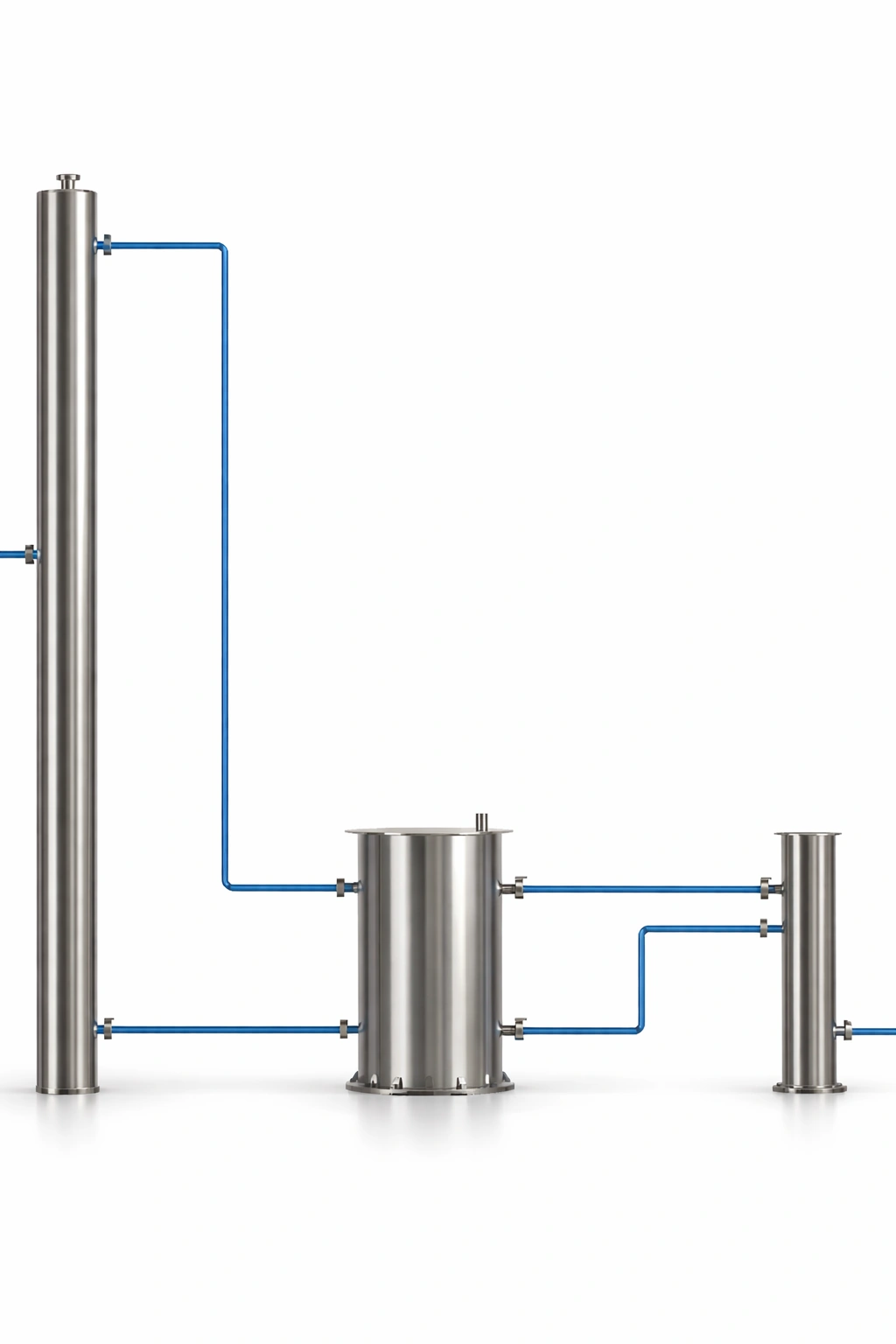
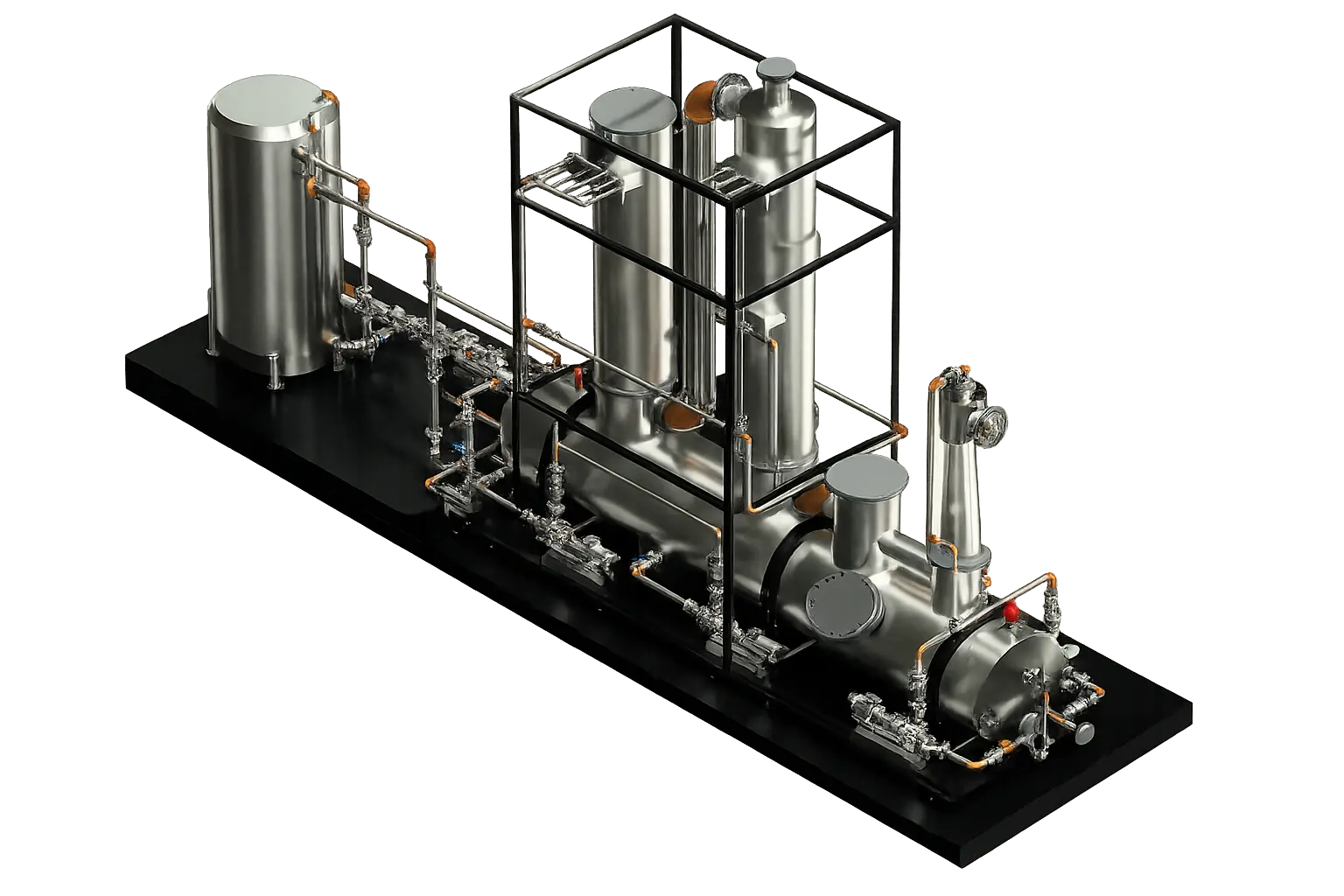
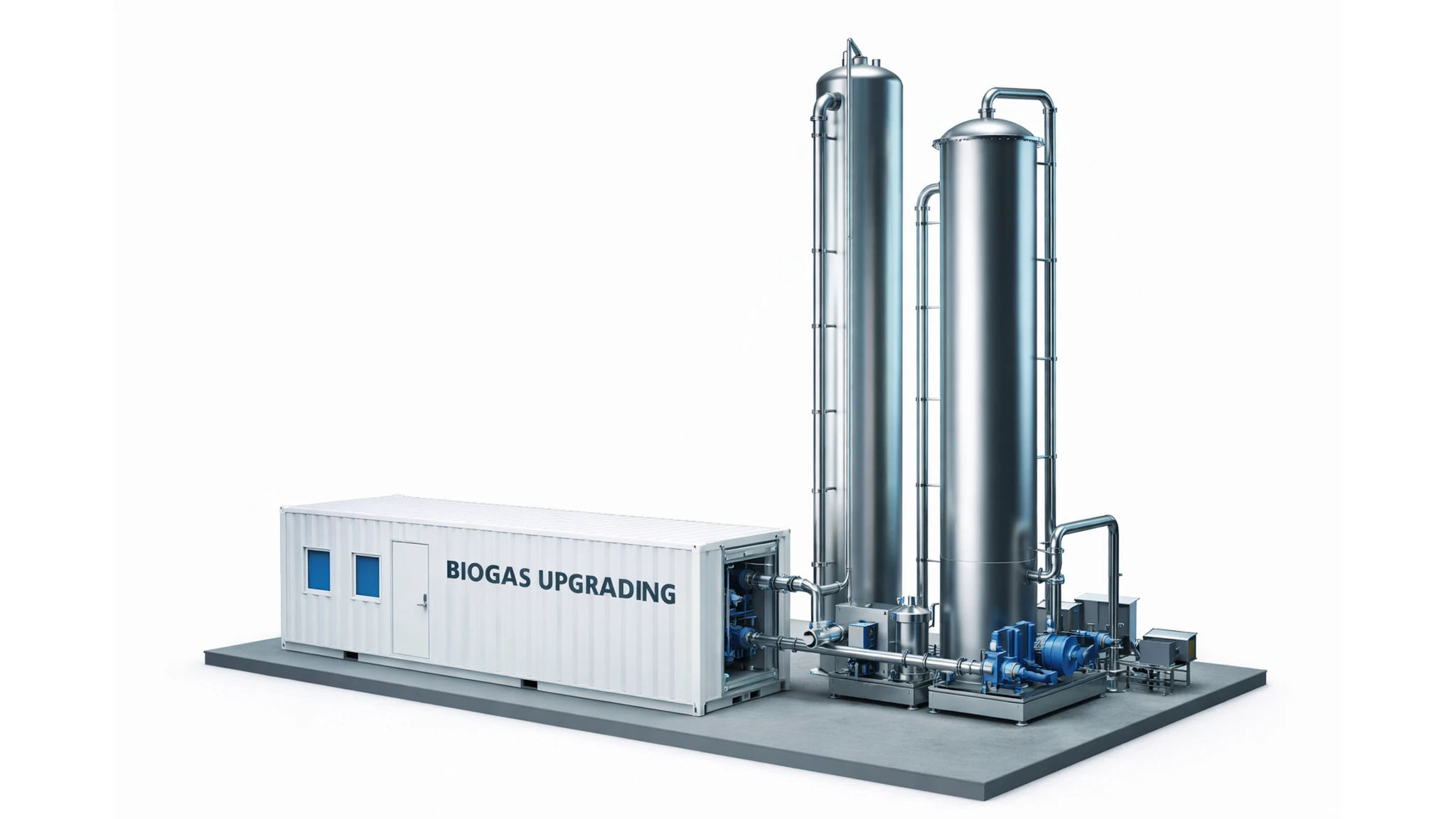
CRA’s Bio-Regenerative Chemical Scrubber combines high-efficiency chemical absorption with biological regeneration to remove hydrogen sulfide (H₂S) from biogas and sour gas streams. The system uses a counter-current alkaline scrubber to rapidly absorb H₂S, followed by a biological regeneration stage where sulfur-oxidizing bacteria convert absorbed sulfides into elemental sulfur. This closed-loop process continuously restores alkalinity, drastically reducing chemical consumption while delivering consistently high removal efficiency.
Key Benefits
Achieves >99% H₂S removal, even at high inlet concentrations and variable gas loads.
Biological regeneration minimizes caustic makeup and operating costs.
No air or oxygen injection into the gas stream, preserving calorific value.
Converts an unwanted contaminant into a recoverable, manageable by-product.
Designed for continuous operation with excellent uptime under fluctuating conditions.

The CRA Edge
Designed by engineers with deep understanding of gas absorption and biological systems.
Scrubbers, controls, vessels, and downstream systems engineered as one solution.
Each system tailored to gas composition, sulfur load, and operational objectives.
Lower chemicals, recoverable sulfur, and reduced lifecycle operating costs.
Applications

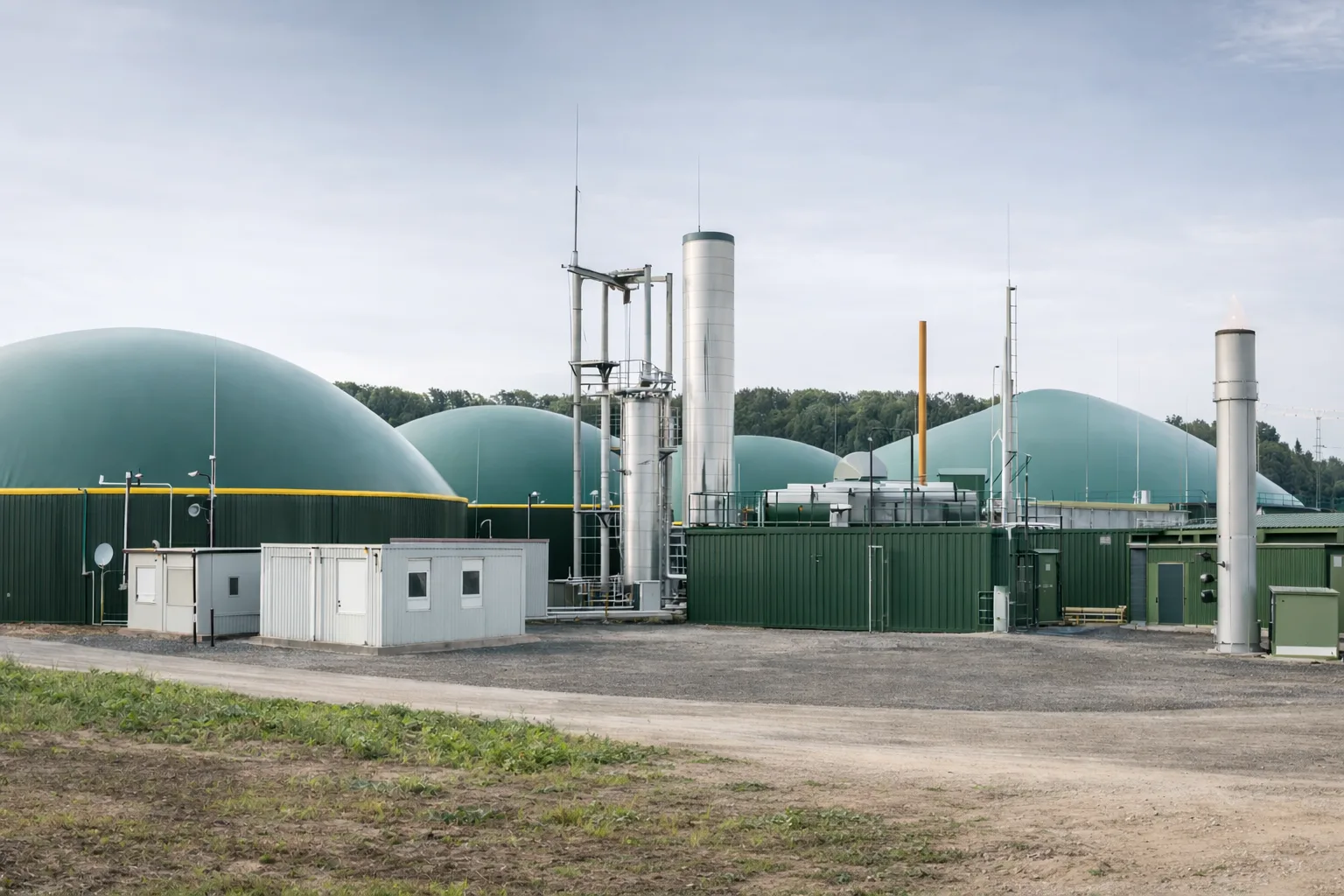

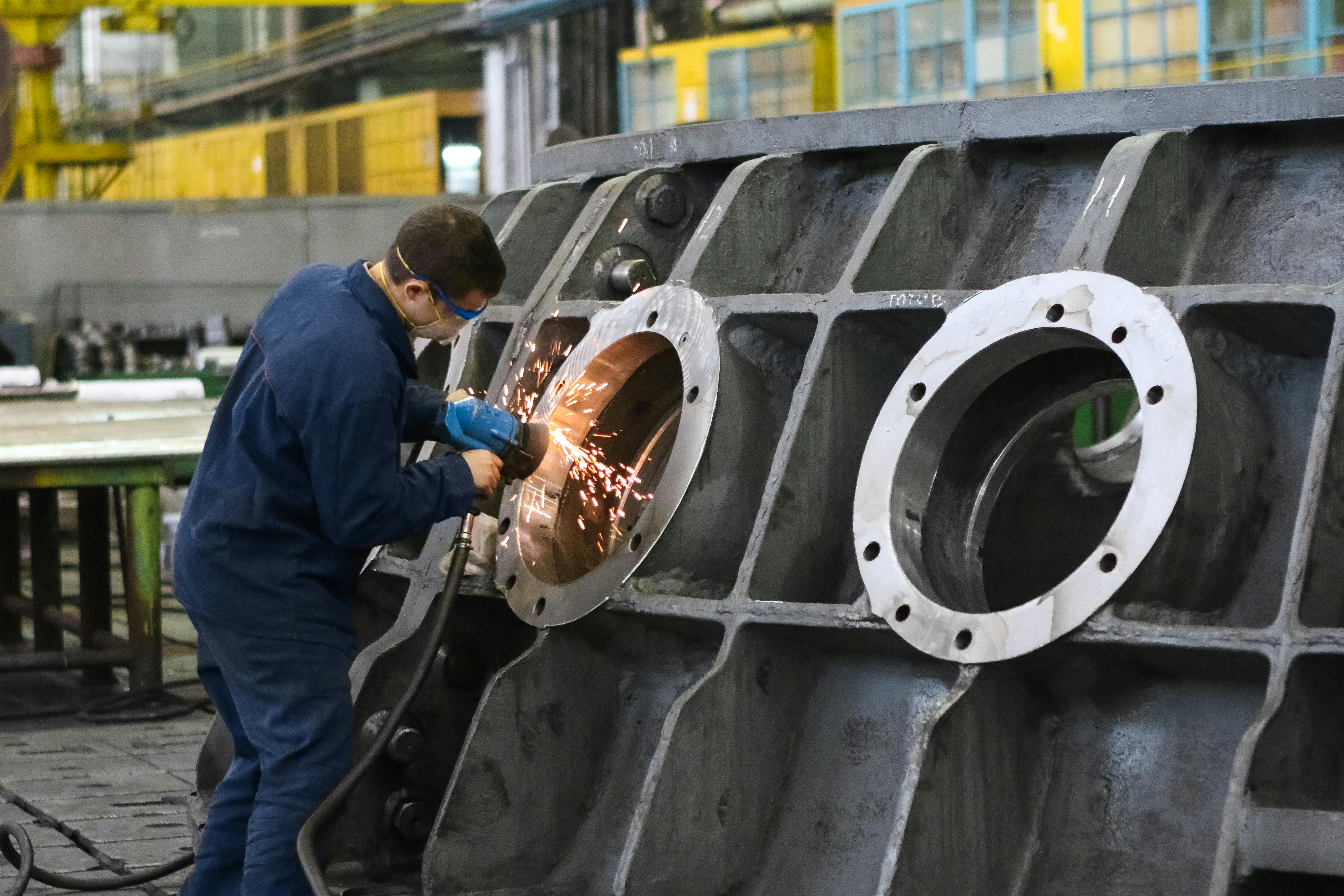
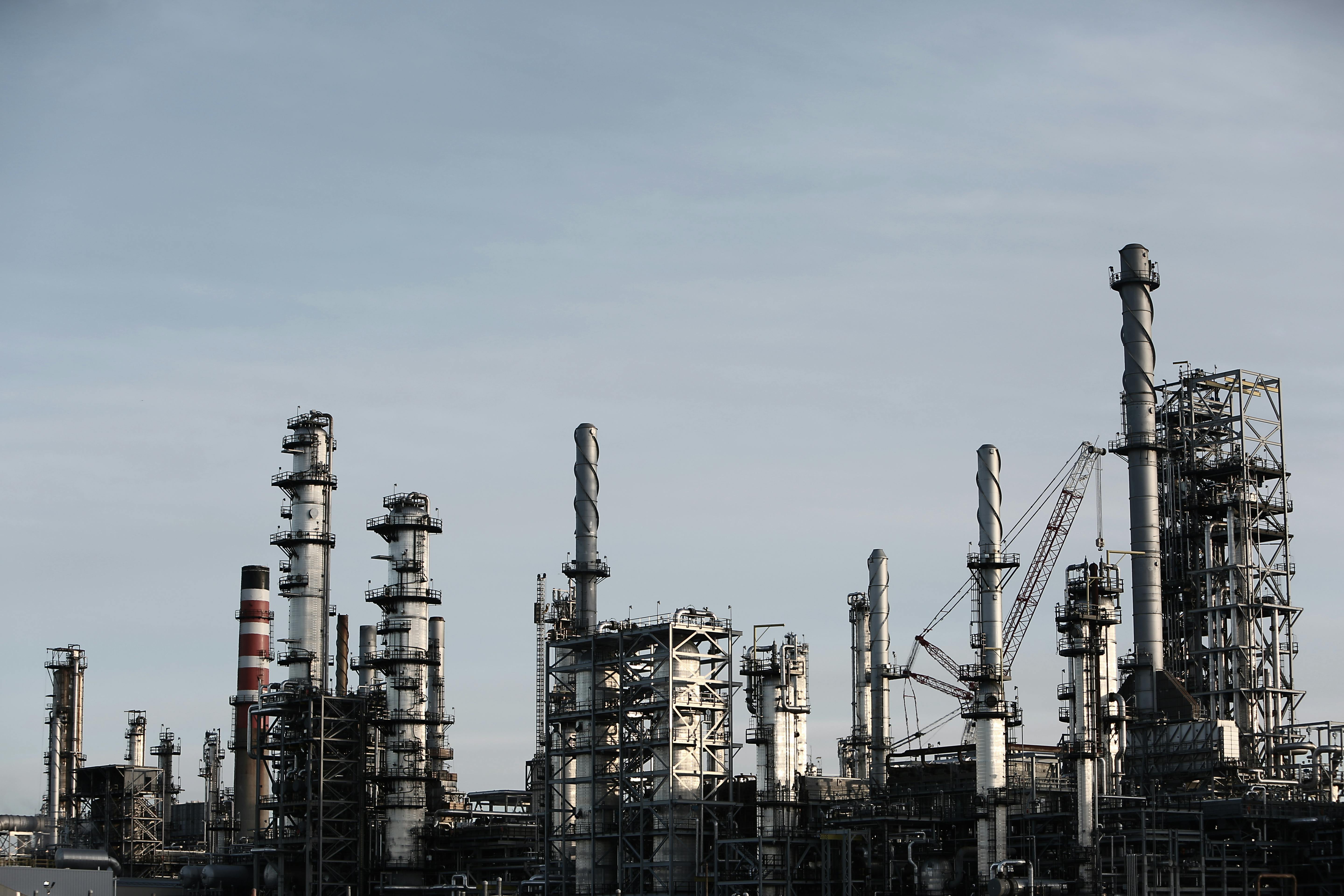
.webp)
Frequently Asked Questions
When is a Bio-Regenerative Chemical Scrubber the best choice for high H2S biogas?
Best for very high H₂S (>5,000 ppm) where standard chemical scrubbers have excessive chemical consumption.
Ideal: H₂S >5,000 ppm | Continuous operation | Chemical cost reduction priority
Advantage: Biological regeneration of spent caustic reduces NaOH consumption 30-50% vs. standard chemical scrubbers.
How does chemical regeneration reduce operating costs compared to standard NaOH scrubbers?
Biological oxidation regenerates spent caustic, reducing chemical consumption.
Process: Chemical scrubber removes H₂S forming Na₂S | Bacteria oxidize Na₂S back to Na₂SO₄ + regenerate NaOH | Recycled caustic reused
Savings: 30-50% NaOH reduction | Lower disposal costs | Best for >5000 ppm H₂S
What factors determine the right biogas treatment system for my application?
Selection depends on gas composition (H₂S concentration, moisture, siloxanes), operating profile (flow, continuous vs. batch), end-use (power, grid injection >98% CH₄, Bio-CNG), and site constraints (footprint, power, chemicals, operators).
CRA designs integrated treatment optimizing 20+ year cost of ownership.
Are these FAQ answers guaranteed for my specific application?
No. The information in these FAQs is for general guidance only. Every application is unique, and actual performance depends on your specific process conditions, site requirements, and operating parameters. Detailed engineering analysis of your process data is required to provide accurate specifications and performance guarantees. Contact CRA's engineering team for a comprehensive proposal tailored to your specific needs.
What is biogas and why does it require specialized treatment equipment?
Biogas is renewable fuel (50-70% CH₄, 30-50% CO₂) from anaerobic digestion. Raw biogas contains H₂S, moisture, siloxanes, ammonia, VOCs requiring removal.
Problems without treatment: H₂S corrosion | Moisture blockages | Siloxane catalyst poisoning | Odor violations | Safety hazards
Treatment protects equipment, enables safe use, achieves compliance, unlocks value for power/Bio-CNG/RNG.