
Biogas Chemical H2S Scrubber
Proven Chemical Scrubbing for Clean, Compliant Biogas Processing
.svg)
Overview
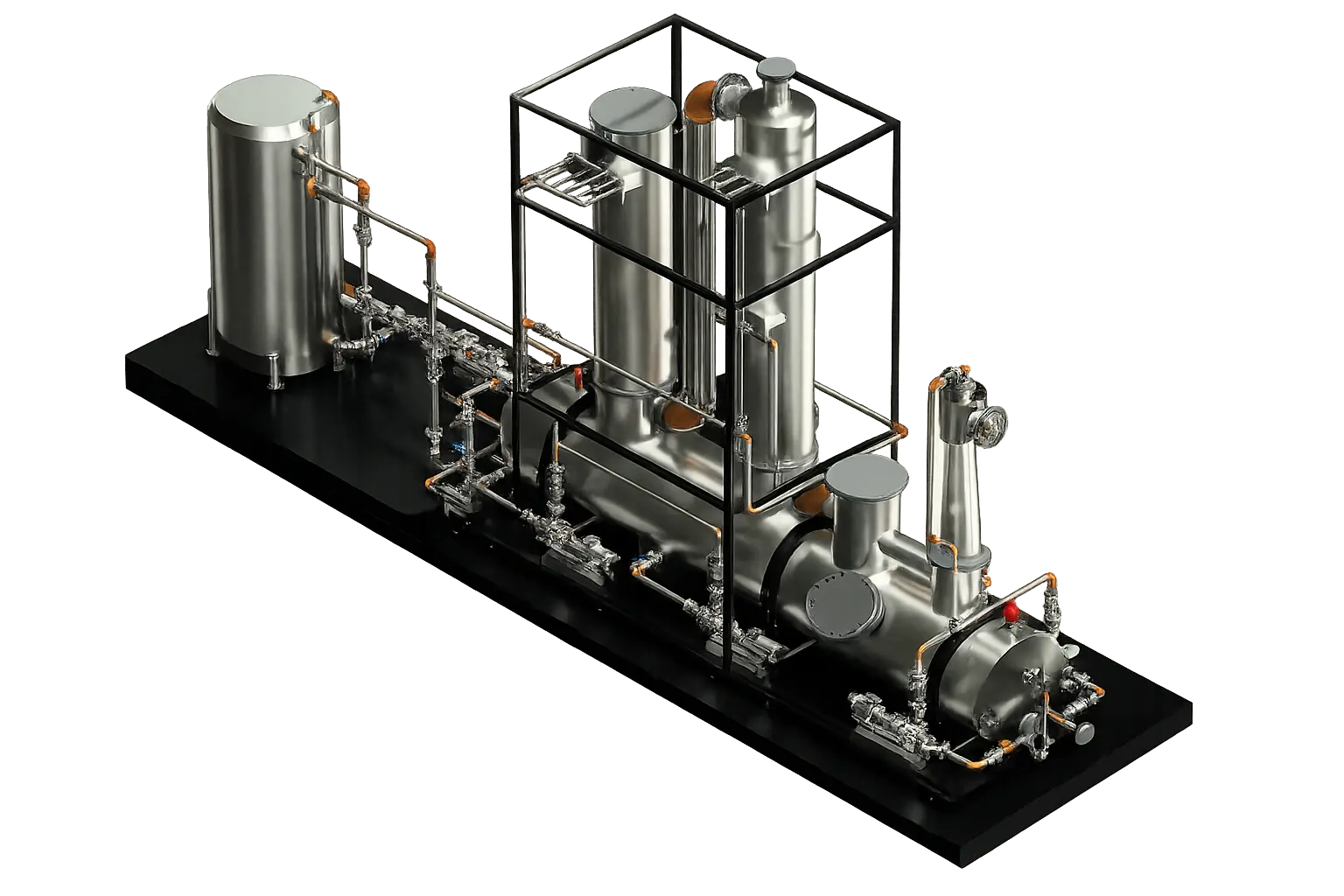
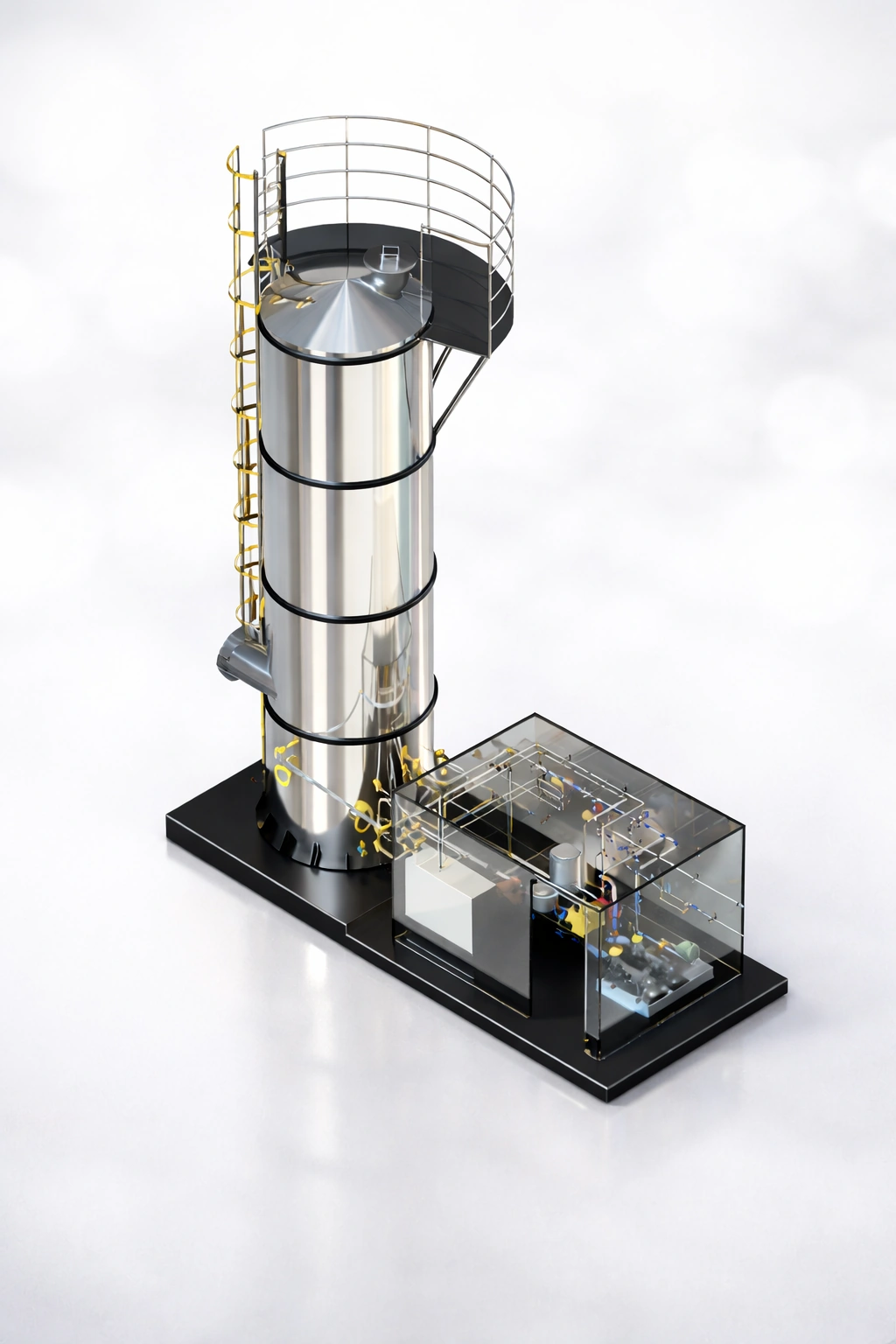
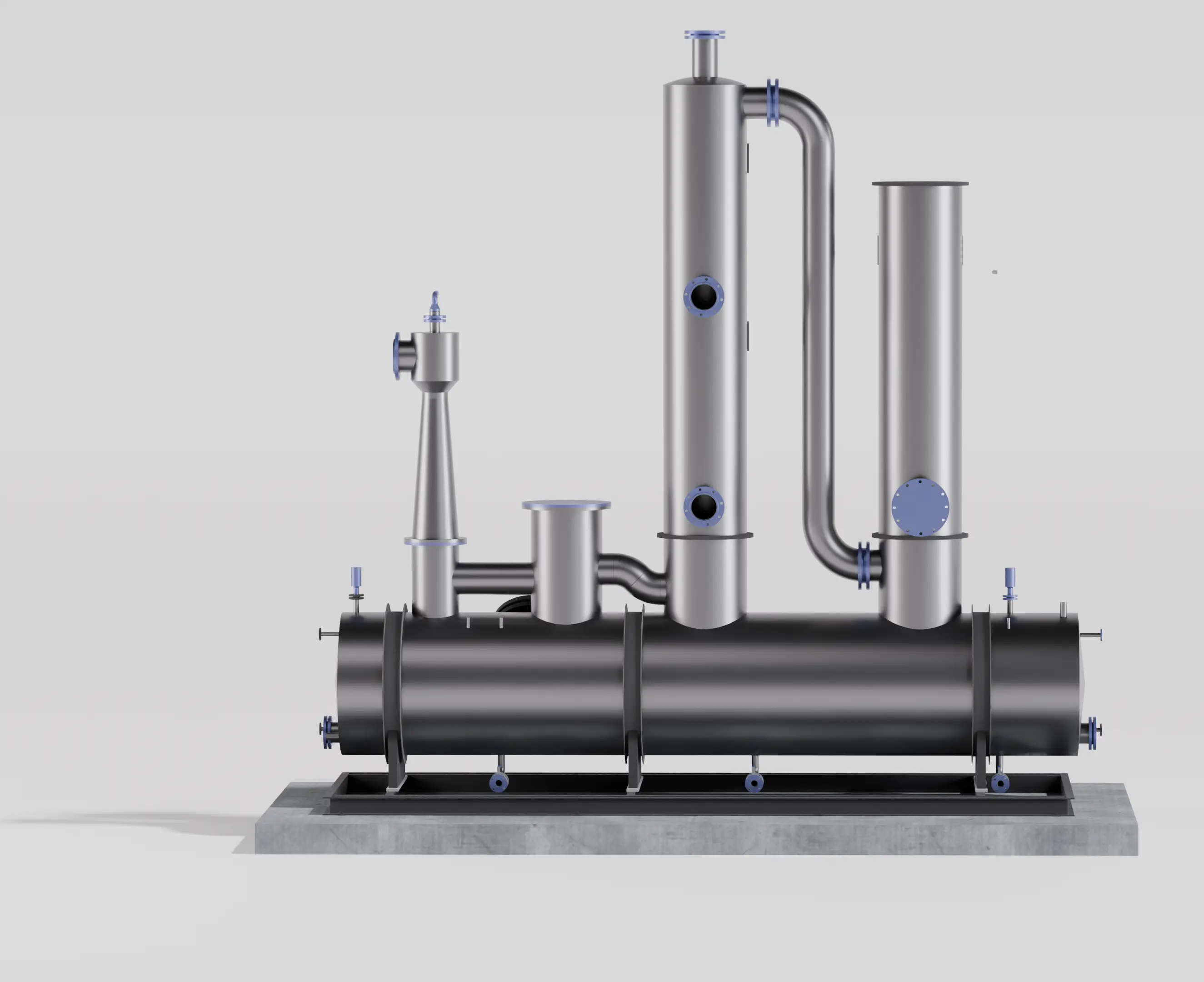
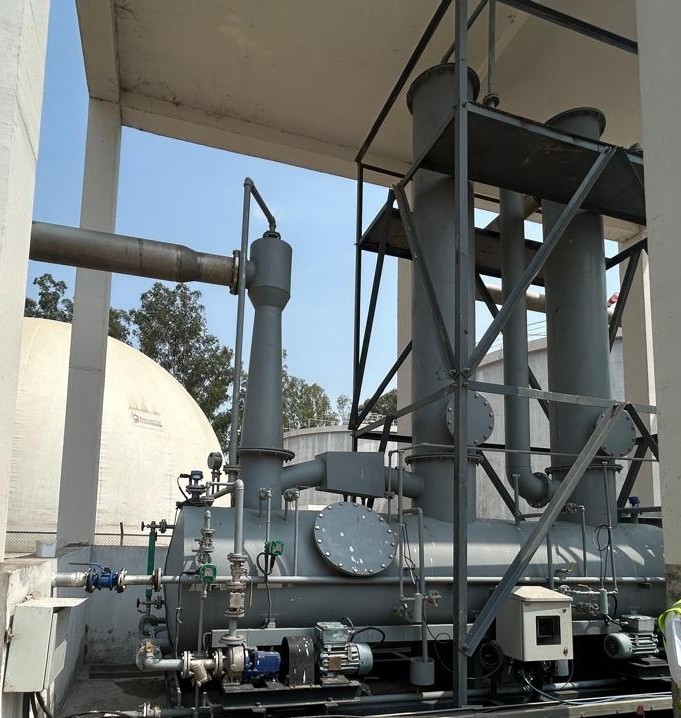
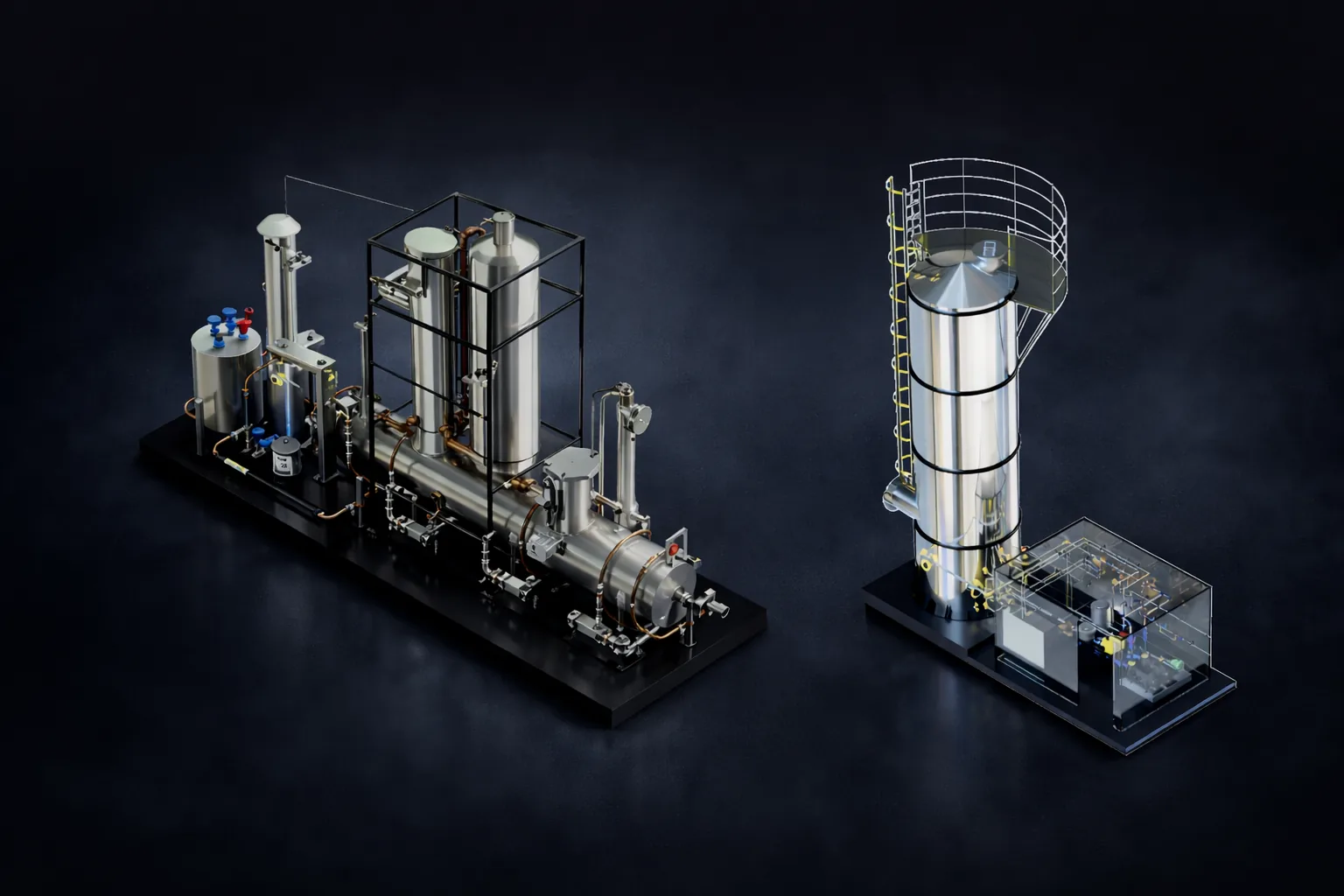
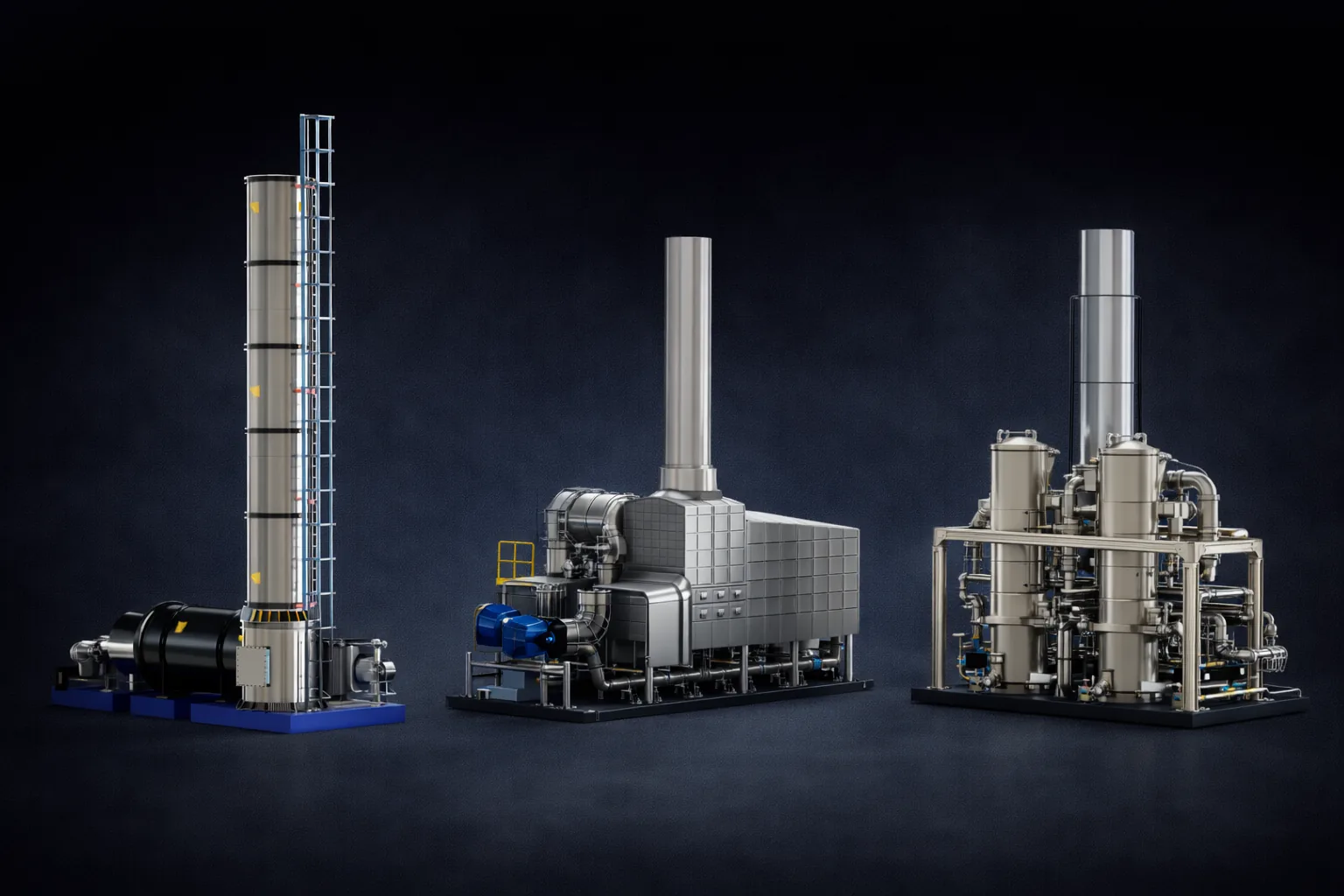
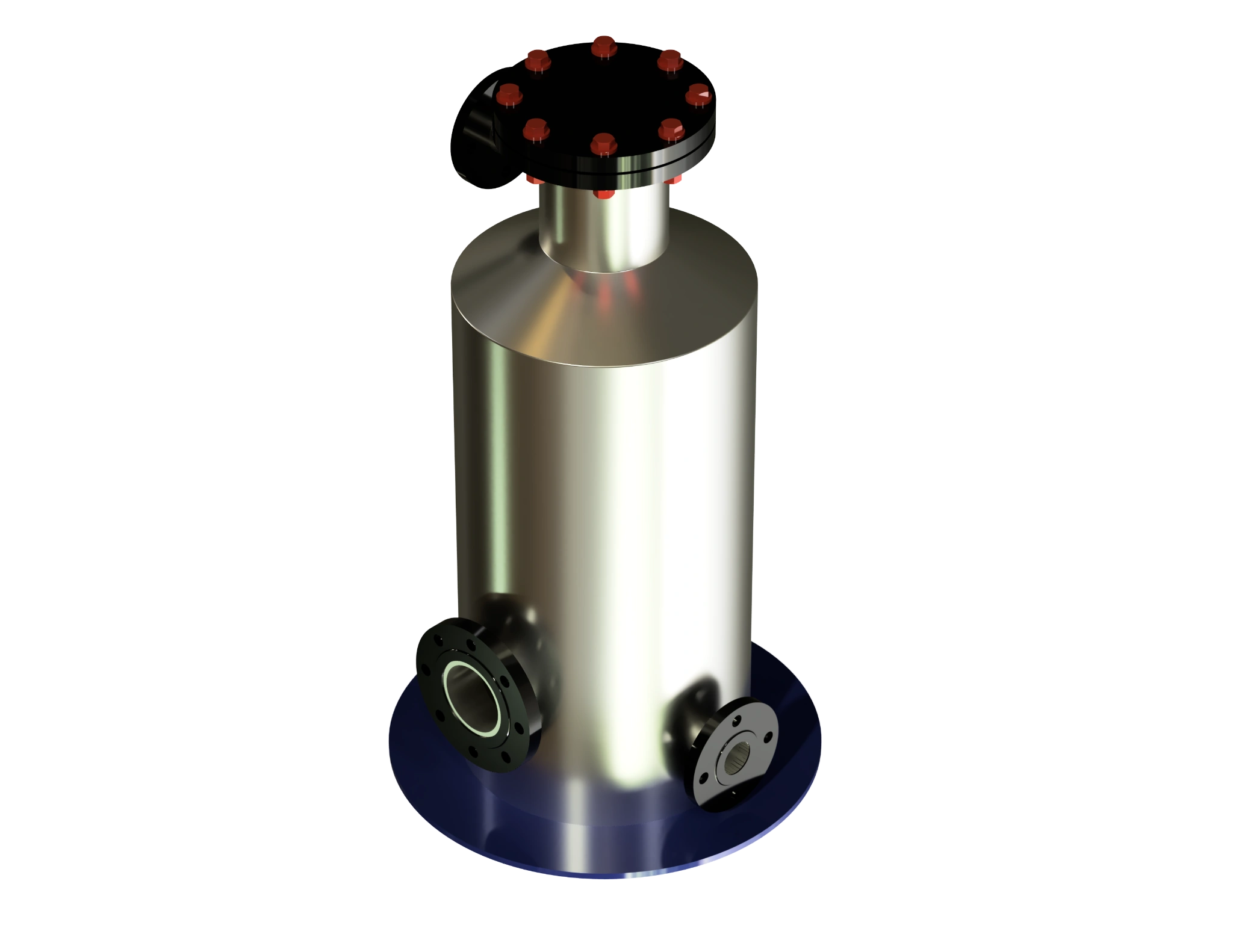
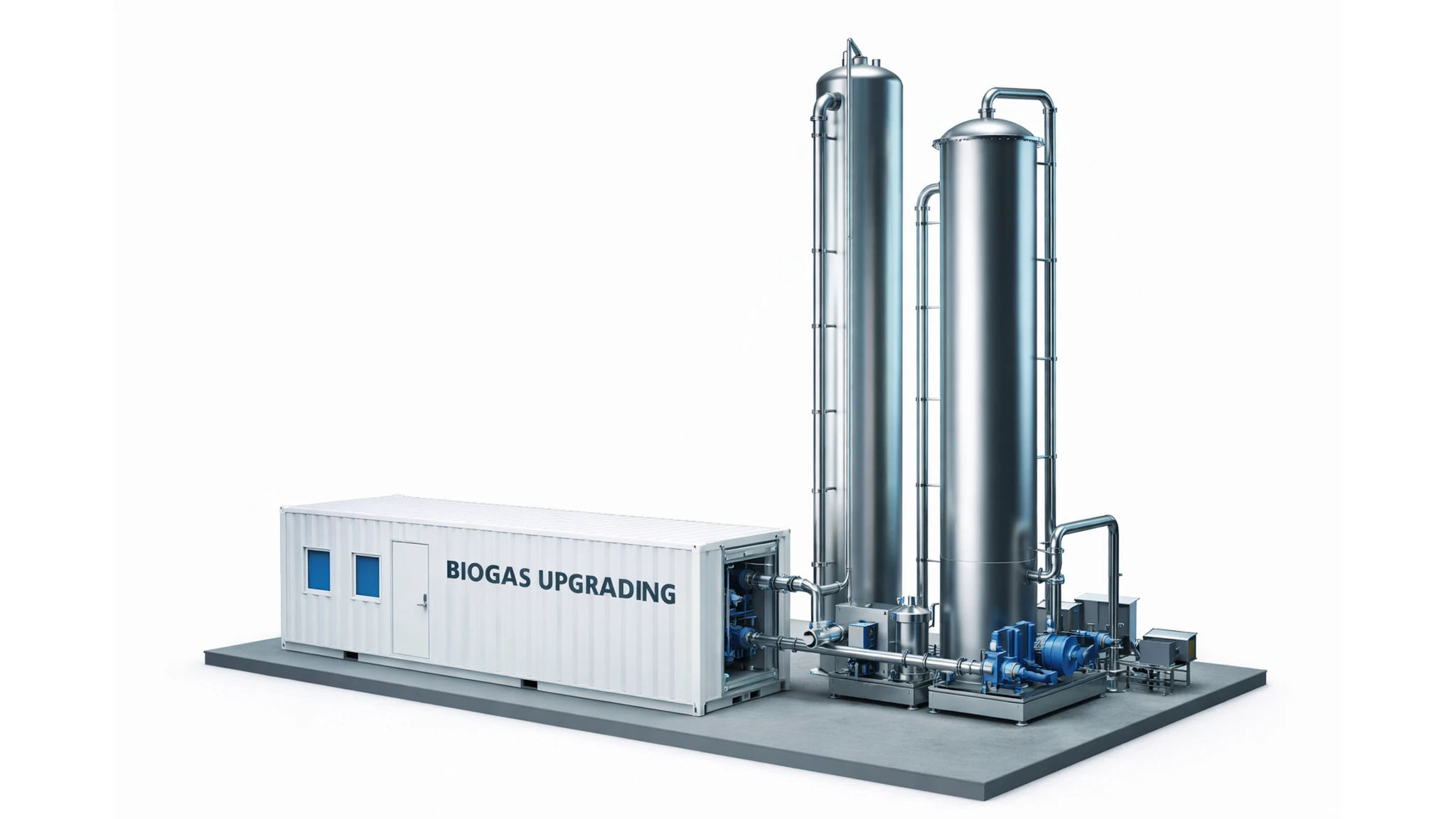
CRA’s scrubbers eliminate corrosive and odorous compounds such as hydrogen sulfide (H₂S) through automated caustic (NaOH) solution dosing. Engineered to meet exact ppm requirements for inlet conditions like H₂S levels or gas flow rate, the systems scale seamlessly with plant demands. Featuring a packed bed and spray tower designs, they ensure high scrubbing efficiency, regulatory compliance, low maintenance, and extended protection for downstream equipment.
Key Benefits
Achieves high efficiency for sulfur compounds, even under fluctuating flow or load
Removes contaminants that damage compressors and membranes, reducing maintenance costs and downtime
Neutralizes foul-smelling gases to meet environmental and community standards
Energy-efficient recirculation, optimized flow, and automated chemical dosing reduce the cost of ownership
Easily integrated into new or retrofit installations, with single or multi-stage options for complex streams.
The CRA Edge
Decades of gas treatment experience with 100+ chemical scrubbers installed around the world for diverse applications
From modeling to fabrication, CRA delivers turnkey systems with fans, pumps, dosing, and automation

CRA provides a suite of tailored, complementary products designed to meet all your biogas needs
Engineered to ensure clean gas quality, odor control, and protection of downstream equipment
Applications

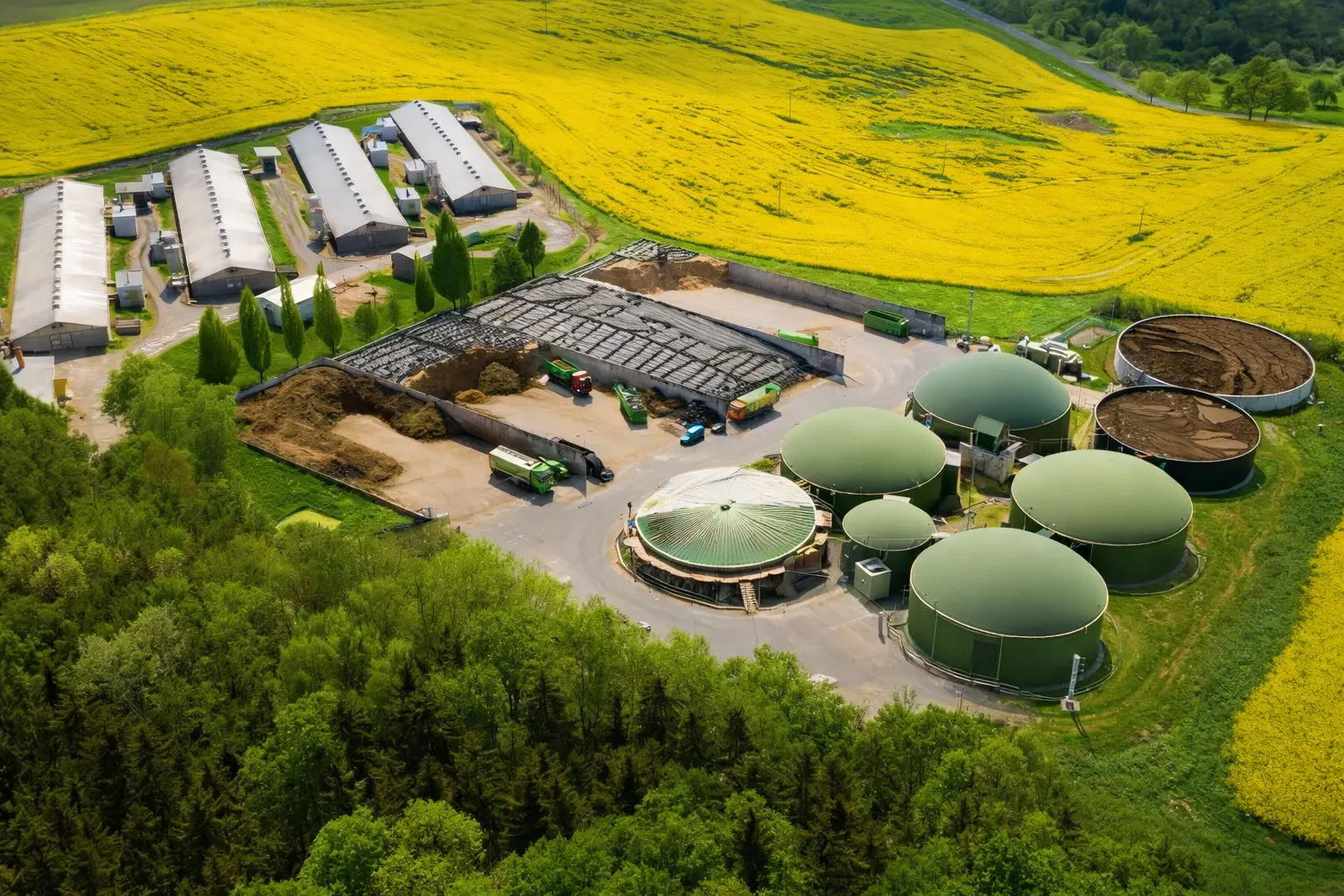
.webp)

.webp)
Frequently Asked Questions
What is biogas and why does it require specialized treatment equipment?
Biogas is renewable fuel (50-70% CH₄, 30-50% CO₂) from anaerobic digestion. Raw biogas contains H₂S, moisture, siloxanes, ammonia, VOCs requiring removal.
Problems without treatment: H₂S corrosion | Moisture blockages | Siloxane catalyst poisoning | Odor violations | Safety hazards
Treatment protects equipment, enables safe use, achieves compliance, unlocks value for power/Bio-CNG/RNG.
Can chemical scrubbers handle variable H2S concentrations and flow rates?
Yes, via automated dosing and VFD control.
H₂S range: 100-10,000 ppm | Maintains <5 ppm | 5-15 min response
Flow range: 25-110% (4.4:1 turndown) | >98% at 30% flow
When is a Chemical Scrubber (NaOH) the best choice for biogas H2S removal?
Best for immediate H₂S removal with minimal startup.
Ideal: Instant startup | Intermittent operation | Cold (<15°C) | Variable H₂S (100-10,000+ ppm) | Ultra-low outlet (<1 ppm) | Retrofit
Capacity: 50-5,000+ Nm³/hr | >98-99.5% efficiency
How does chemical regeneration reduce operating costs compared to standard NaOH scrubbers?
Biological oxidation regenerates spent caustic, reducing chemical consumption.
Process: Chemical scrubber removes H₂S forming Na₂S | Bacteria oxidize Na₂S back to Na₂SO₄ + regenerate NaOH | Recycled caustic reused
Savings: 30-50% NaOH reduction | Lower disposal costs | Best for >5000 ppm H₂S
How does a biogas chemical scrubber work and what removal efficiency can it achieve?
>98-99.5% H₂S removal via NaOH reaction, reducing to <1-10 ppm.
Process: Counter-current packed tower | H₂S + NaOH reaction | Automated pH control (9-11)
Advantages: Instant startup | -10 to +60°C | Handles spikes | Intermittent OK
What are the key differences between chemical and biological scrubbers for biogas?
Chemical: Instant startup | -10 to +60°C | Intermittent OK | <1 ppm outlet
Biological: 2-4 week startup | 15-40°C | Continuous needed | 10-50 ppm outlet
Choose Chemical: Intermittent | Cold | Instant start | Ultra-low H₂S
Choose Biological: 24/7 | High load | Opex priority
Are these FAQ answers guaranteed for my specific application?
No. The information in these FAQs is for general guidance only. Every application is unique, and actual performance depends on your specific process conditions, site requirements, and operating parameters. Detailed engineering analysis of your process data is required to provide accurate specifications and performance guarantees. Contact CRA's engineering team for a comprehensive proposal tailored to your specific needs.