
Carbon Activated Dry H2S Scrubber
Reliable and Clean Scrubbing for Biogas with Activated Carbon Scrubbers
.svg)
Overview
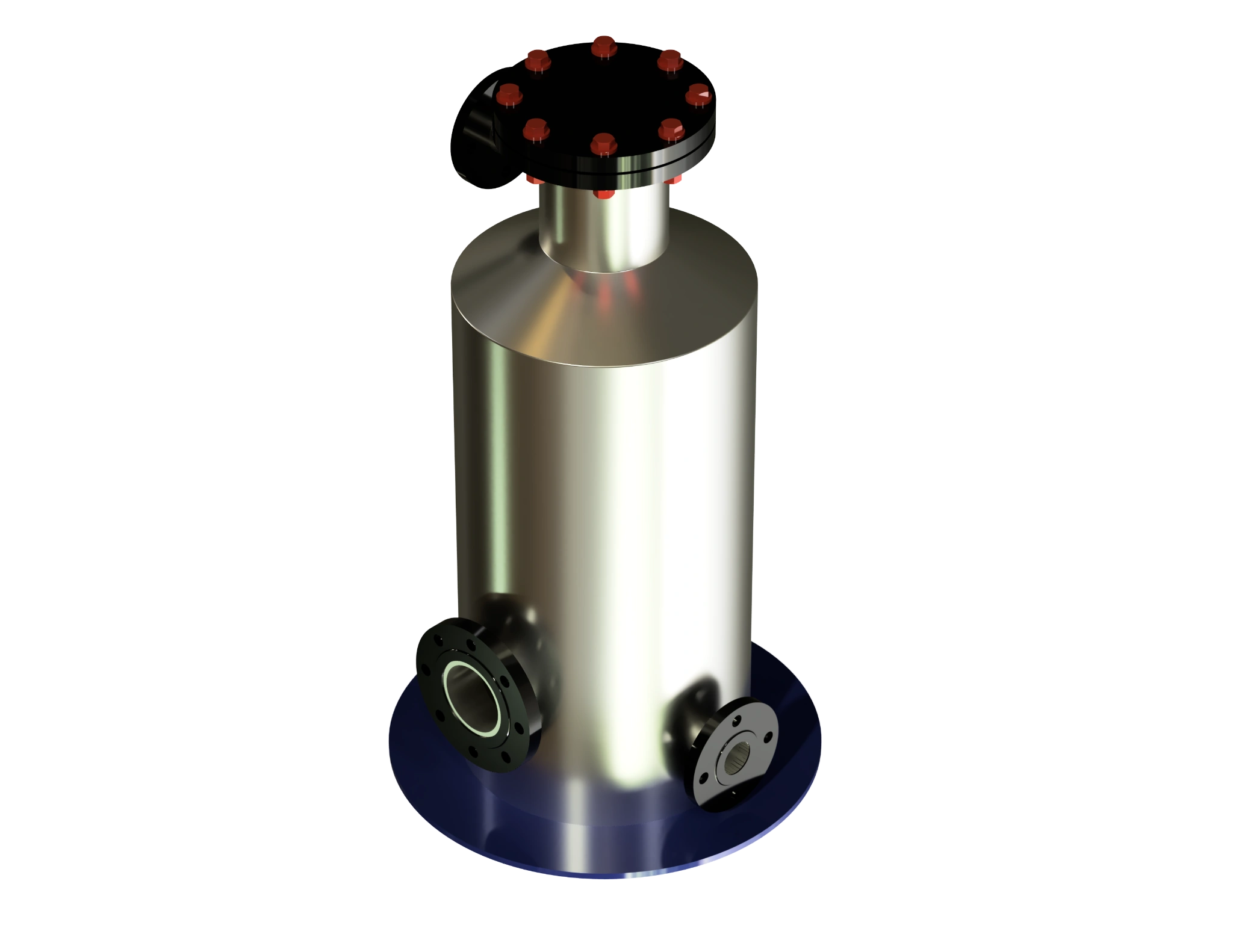
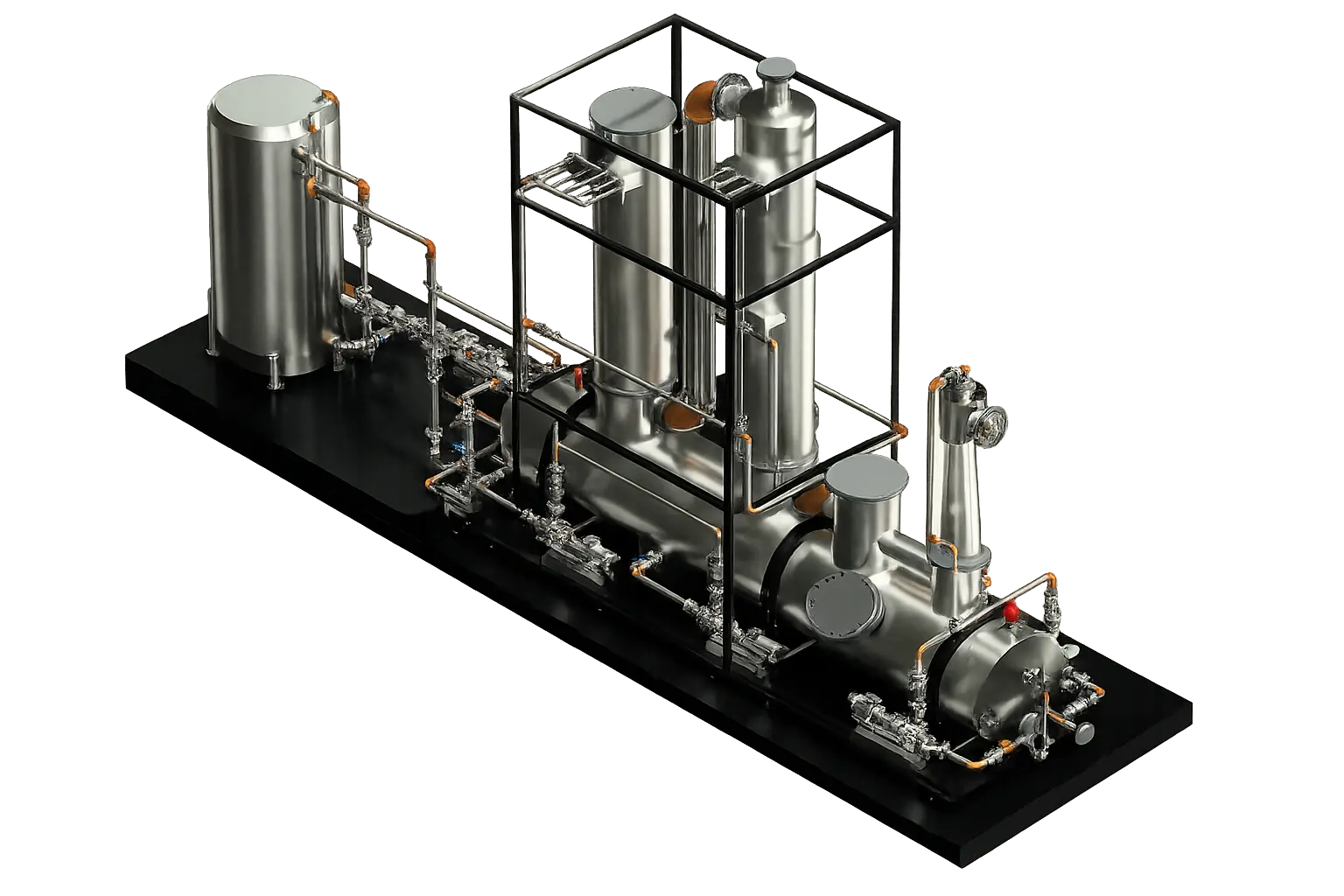
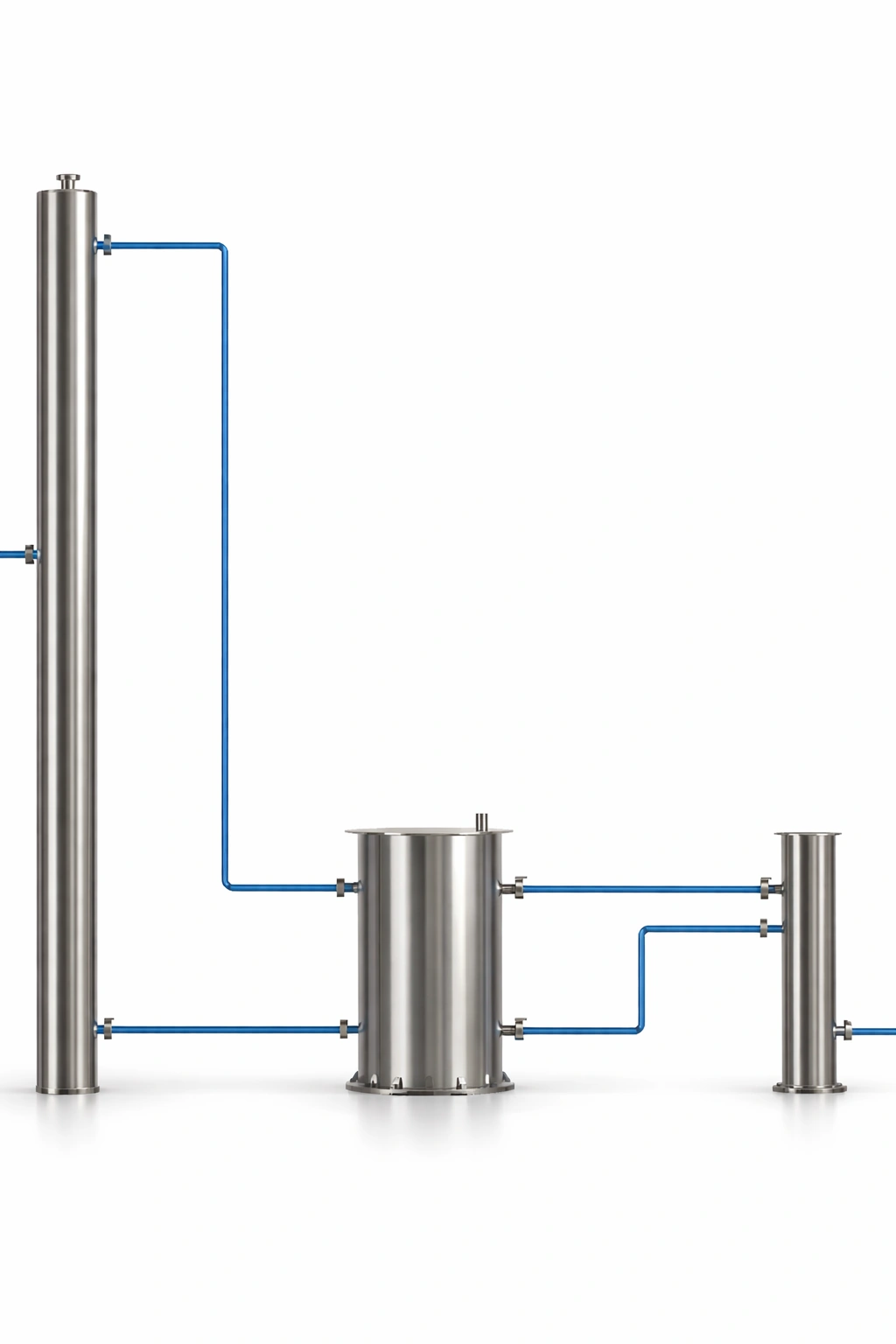
CRA’s Dry Scrubbers provide final-stage purification of biogas and renewable natural gas (RNG), removing residual hydrogen sulfide (H₂S), odors, and trace contaminants to meet stringent gas quality requirements. By lowering H₂S and trace impurities, they protect gas engines, turbines, membrane systems, and catalytic units from corrosion, fouling, and performance loss, ensuring longer equipment life and reliable operation. Available in single- or dual-vessel configurations, these systems use impregnated or non-impregnated activated carbon media selected based on biogas composition, moisture, and contaminant profile for consistent, long-term performance.
Key Benefits
Removes residual H₂S and odorous compounds from biogas streams
Prevents corrosion and abrasive wear in CHP engines, turbines, compressors, and membrane skids
Optimized vessel design and media selection ensure consistent flow with minimal resistance
Pre-filtration and drainage options maintain carbon efficiency in high-humidity or water-saturated gas
No hazardous waste, no chemical storage, and no secondary pollution


The CRA Edge
Decades of gas treatment experience with 100+ chemical scrubbers installed around the world for diverse applications
From modeling to fabrication, CRA delivers turnkey systems with fans, pumps, dosing, and automation
CRA provides a suite of tailored, complementary products designed to meet all your biogas needs
Engineered to ensure clean gas quality, odor control, and protection of downstream equipment
Applications

.webp)



.webp)
Frequently Asked Questions
How does activated carbon H2S removal work and what is the media life?
Activated carbon adsorbs and oxidizes H₂S. Media life depends on loading.
Capacity: 10-30% sulfur loading by weight before breakthrough
Media life examples: 100 Nm³/hr @ 10 ppm: 6-12 months | 100 Nm³/hr @ 100 ppm: 1-3 months
Best practice: Use as polishing after primary scrubber to maximize media life and minimize cost.
When is a Carbon Activated Dry Scrubber the best choice for biogas treatment?
Best for polishing applications requiring ultra-low H₂S without chemicals or water.
Ideal for: Final polishing to <0.1 ppm | Siloxane removal | Dry process required | Small to medium flows | Backup/redundancy
Limitations: Media replacement required | Not for high H₂S (>100 ppm) | Operating cost scales with loading
Are these FAQ answers guaranteed for my specific application?
No. The information in these FAQs is for general guidance only. Every application is unique, and actual performance depends on your specific process conditions, site requirements, and operating parameters. Detailed engineering analysis of your process data is required to provide accurate specifications and performance guarantees. Contact CRA's engineering team for a comprehensive proposal tailored to your specific needs.
What factors determine the right biogas treatment system for my application?
Selection depends on gas composition (H₂S concentration, moisture, siloxanes), operating profile (flow, continuous vs. batch), end-use (power, grid injection >98% CH₄, Bio-CNG), and site constraints (footprint, power, chemicals, operators).
CRA designs integrated treatment optimizing 20+ year cost of ownership.
What is biogas and why does it require specialized treatment equipment?
Biogas is renewable fuel (50-70% CH₄, 30-50% CO₂) from anaerobic digestion. Raw biogas contains H₂S, moisture, siloxanes, ammonia, VOCs requiring removal.
Problems without treatment: H₂S corrosion | Moisture blockages | Siloxane catalyst poisoning | Odor violations | Safety hazards
Treatment protects equipment, enables safe use, achieves compliance, unlocks value for power/Bio-CNG/RNG.